

- Best Wearables You Can Buy with FSA in 2026 - October 1, 2026
- Is Eight Sleep Worth the Price? - May 9, 2026
- Best FSA/HSA Sleep Products - February 3, 2026
If you’ve still got a decent amount of money sitting in your Flexible Spending Account (FSA), you’re not alone. In fact, every year, millions of dollars in FSA funds go unused simply because people aren’t sure what actually qualifies. It can seem like a bit of a headache to figure out.
While your first thought might go to something like first-aid kits or even prescription glasses, there’s another category that’s growing rapidly: wearable technology that prioritizes health.
Depending on your plan, certain wearables designed to support recovery, pain relief, sleep, or nervous system regulation may qualify for FSA reimbursement. Some require a Letter of Medical Necessity (LMN), while others may be eligible directly, so it’s always worth checking before you buy.
After researching the current landscape, these are the wearables I’d add to my cart. Please note that FSA and HSA eligibility can change over time and may depend on your specific plan. Always verify eligibility with your FSA administrator before making a purchase.
Quick look
| Wearable | Best for | Approx. Price | FSA Eligible?* |
| Nuropod | Stress & nervous system regulation | $900 | Yes |
| Apollo Neuro | Stress & Relaxation | $349 | May require LMN |
| Oura Ring | Sleep tracking | $399+ | May require LMN |
| Whoop | Recovery & training | $199 (annually) | Check eligibility |
| Therabody RecoverAir | Muscle recovery | $549+ | Often eligible with LMN |
| Cefaly | Migraine relief | $509 | Often eligible |
*Eligibility varies by plan. Confirm with your FSA admin.
What Makes a Good Health Wearable?
The wearable market has absolutely exploded over the last few years, but not every gadget is worth your money, especially when you’re spending pre-tax healthcare dollars. When I was putting this list together, I looked at four things:
- Whether it actually serves a health or wellness purpose beyond just counting your steps.
- The amount of clinical research supporting its claims.
- Its ease of consistent use.
- Whether it’s commonly considered eligible for FSA reimbursement (which can vary by plan).
Best for Nervous System Regulation: Nuropod
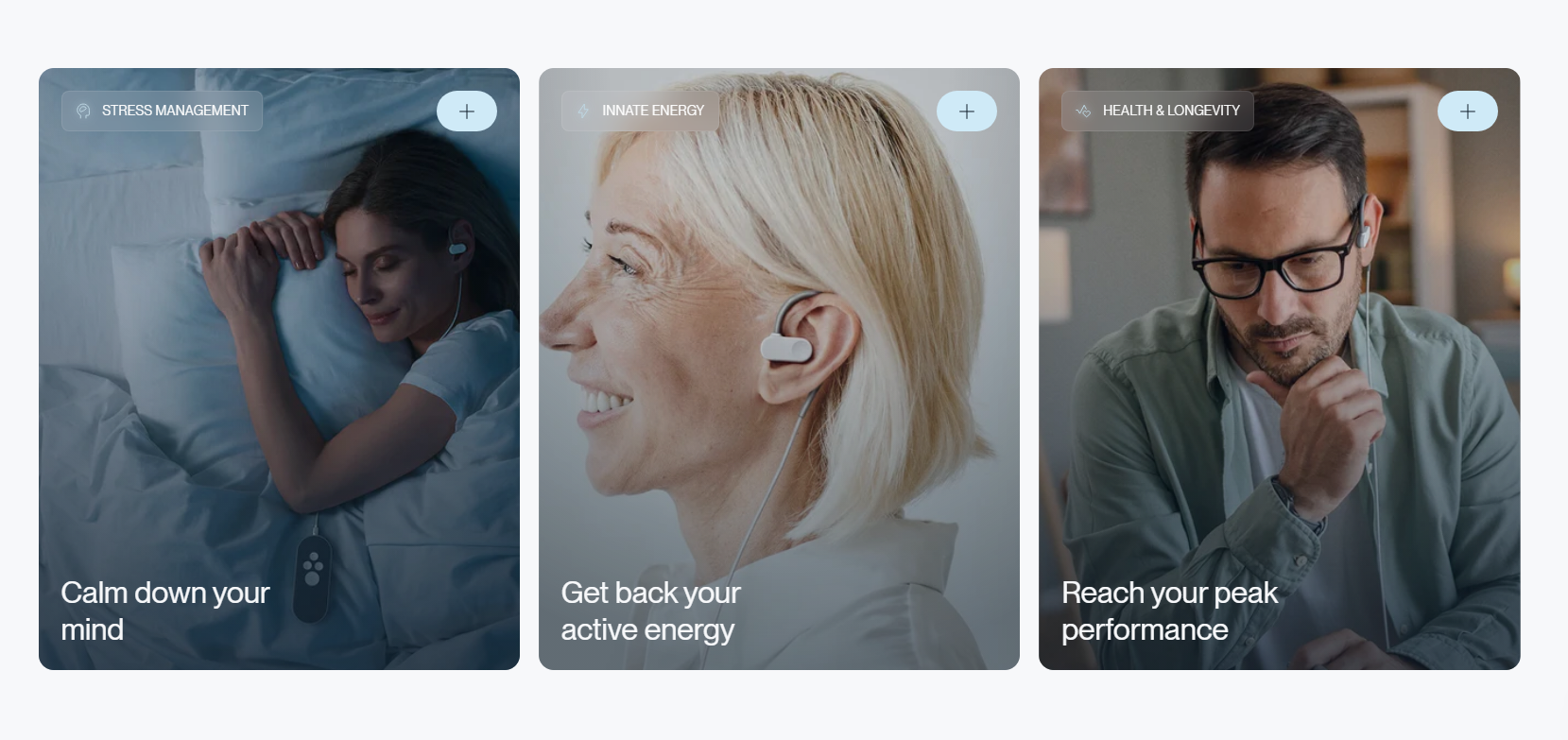
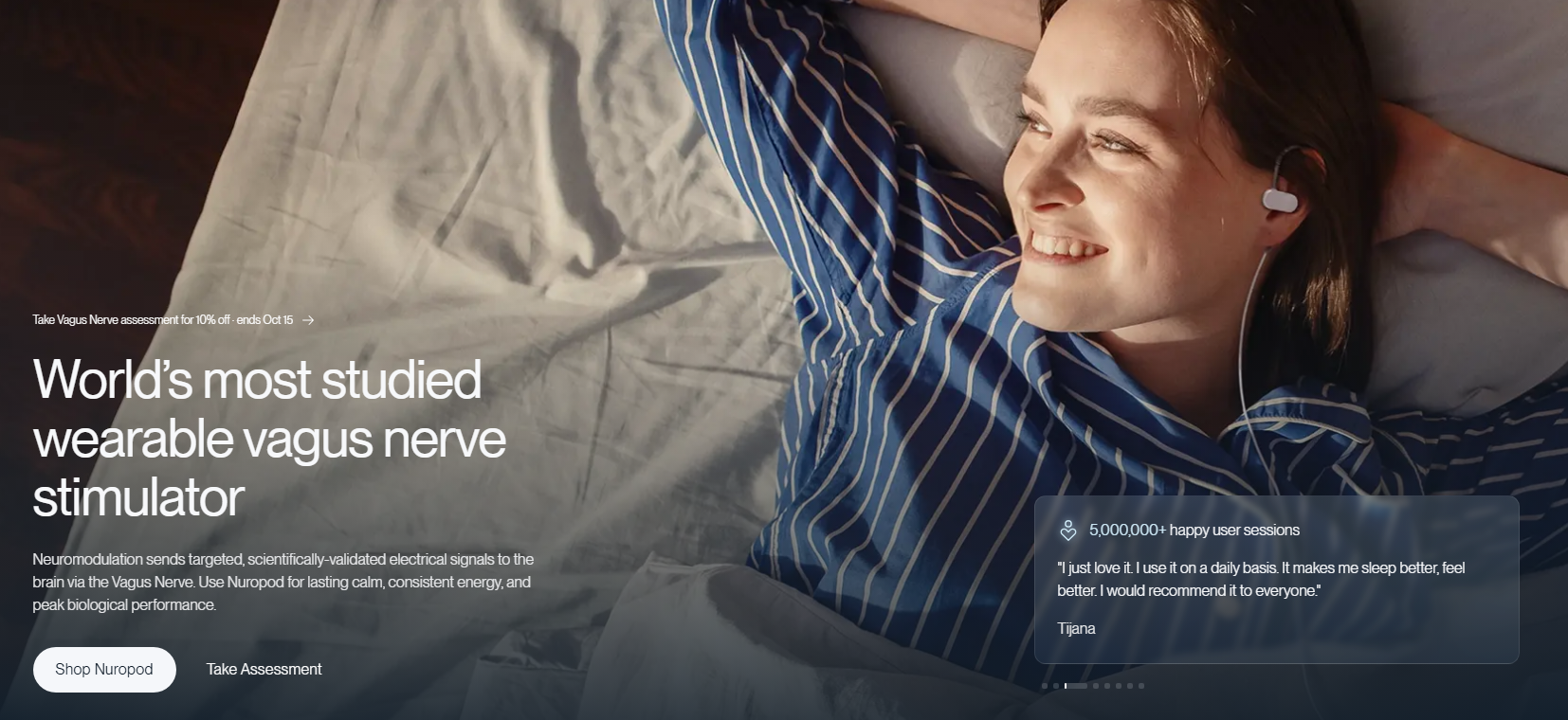
Unlike a smartwatch or fitness tracker that primarily observes what’s happening in your body, Nuropod is designed to deliver an active form of nervous system stimulation.
This wearable sits on your ear and uses gentle transcutaneous vagus nerve stimulation (tVNS) to stimulate the auricular branch of the vagus nerve. The vagus nerve plays a crucial role in the parasympathetic nervous system, which helps regulate stress, recovery, sleep, digestion, and heart rate variability (HRV).
Nuropod is built on Parasym’s AVNT™ technology, which is backed by more than 10 years of research and development. Parasym’s technology has been studied across more than 60 completed scientific studies and collaborations with major research institutions, giving Nuropod a substantial evidence base behind its approach.
The device itself seems pretty easy to use. You position it on your ear by clipping it to your tragus, the nub of cartilage in your ear, choose an intensity level, and wear it for around 15 to 60 minutes while reading, working, watching television, meditating, or relaxing. It isn’t something you need to wear all day, which I particularly appreciate because I would find it easier to stay consistent.
Another thing I really like is that the Nuropod can complement other health wearables rather than replacing them. While devices like Oura or WHOOP can give you insight into metrics like HRV and sleep, Nuropod is designed as an active intervention intended to support nervous system regulation rather than simply track it.
Best features:
- Ear-based transcutaneous vagus nerve stimulation
- Short daily sessions (15 to 60 mins)
- Lightweight and non-invasive
- Built on more than 10 years of research and development
- Can complement existing wearables
Best for:
- Chronic stress
- Nervous system regulation
- Relaxation
- Sleep support
Best for Stress Management: Apollo Neuro

Apollo Neuro is a bit different than most wearables on this list. Instead of measuring your biometrics or stimulating your vagus nerve directly, it uses gentle, silent vibrations that are worn on the wrist or ankle. The company refers to these as “Apollo Vibes” and the different vibration patterns are intended to promote focus, relaxation, recovery, meditation, or sleep.
You choose a specific mode within the app depending on what your goals are. For example, there’s a mode for deep focus while working, another for winding down before bed, and others for recovery or mindfulness.
I really love that Apollo actually integrates with Apple Health and Oura, which allows you to compare changes in metrics like HRV over time. The company also reports improvement in sleep duration, REM sleep, HRV, and stress resilience with consistent use, though that’s not scientifically proven.
Apollo feels more lifestyle-oriented than Nuropod, but the two work very differently. Nuropod uses electrical auricular vagal neuromodulation delivered through the ear, while Apollo is a more traditional wearable that uses vibration patterns designed to encourage relaxation.
Best features
- Wearable vibration therapy
- Multiple wellness modes
- App scheduling
- Apple Health integration
- Oura compatible
- HRV-focused wellness
Best for
- Daily stress management
- Focus
- Meditation
- Sleep routines
Best Sleep Tracker: Oura Ring
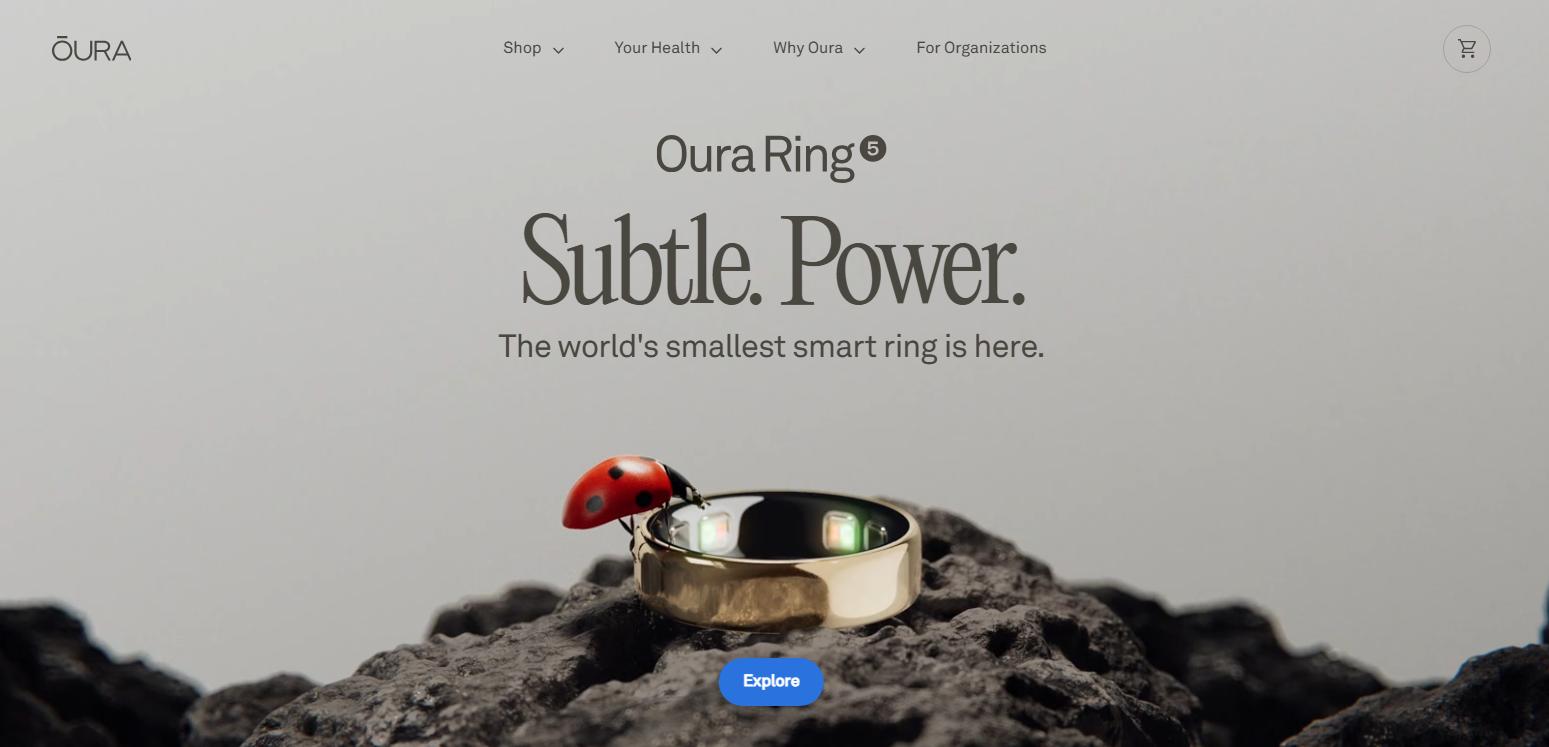
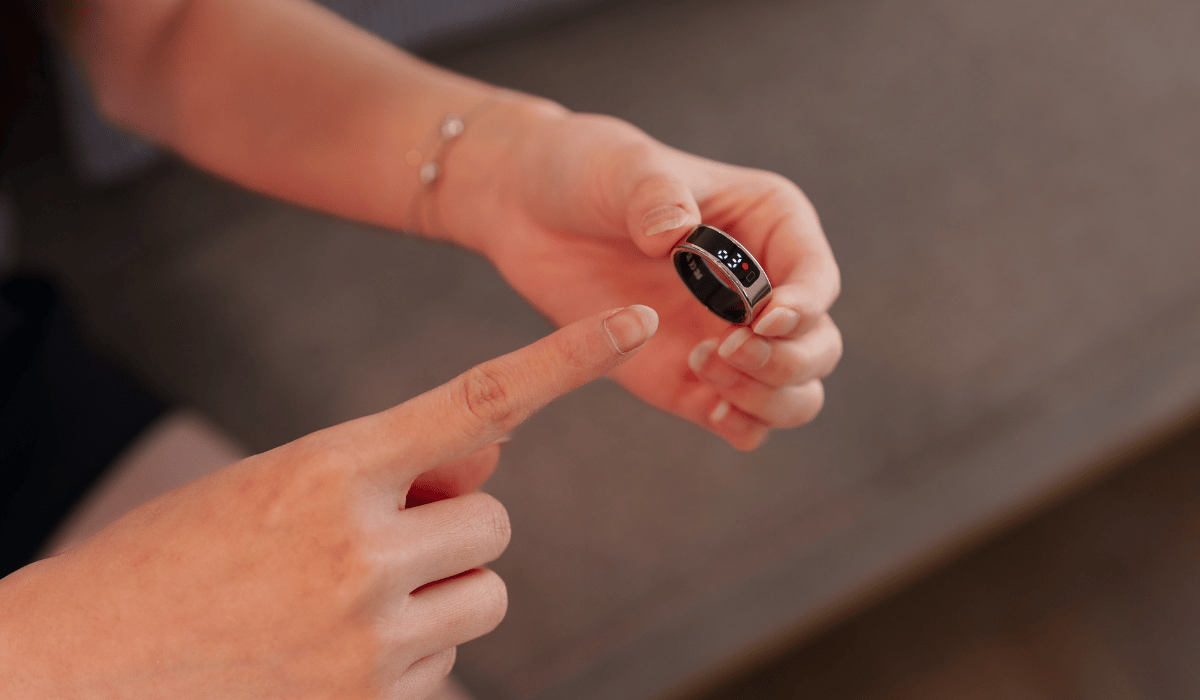
If your goal is more about understanding your sleep rather than actively changing it, the Oura Ring is an excellent choice. Unlike bulky smartwatches, Oura has an impressive number of sensors compacted into a lightweight ring. The ring continuously monitors your heart rate, HRV, body temperature, respiratory rate, blood oxygen during sleep, sleep stages, resting heart rate, activity levels, and recovery metrics. Whew.
What I find the most interesting about the Oura ring is how it organizes your data into actionable insights. Each morning you receive scores for Sleep, Readiness, and Activity. This can help you identify how your previous night’s sleep may affect your energy and recovery that day.
One feature I love is the long-term trend analysis. Instead of obsessing over one bad night, Oura helps you look at patterns in your data across weeks and months. You can also view changes in resting heart rate, HRV, and body temperature that may coincide with changes in how you’re feeling.
The tradeoff here is that Oura is basically just a monitoring device. It provides impressive information about your body, but it won’t actually do anything about it. If you find something off in your data, like your sleep quality is suffering, you have to find ways to fix it yourself.
Best features
- Sleep stage tracking
- Continuous HRV monitoring
- Resting heart rate
- Body temperature trends
- Readiness score
- Activity tracking
- Menstrual cycle insights
- Lightweight titanium design
Best for
- Sleep optimization
- Recovery tracking
- Long-term health monitoring
Best Recovery Wearable: Whoop
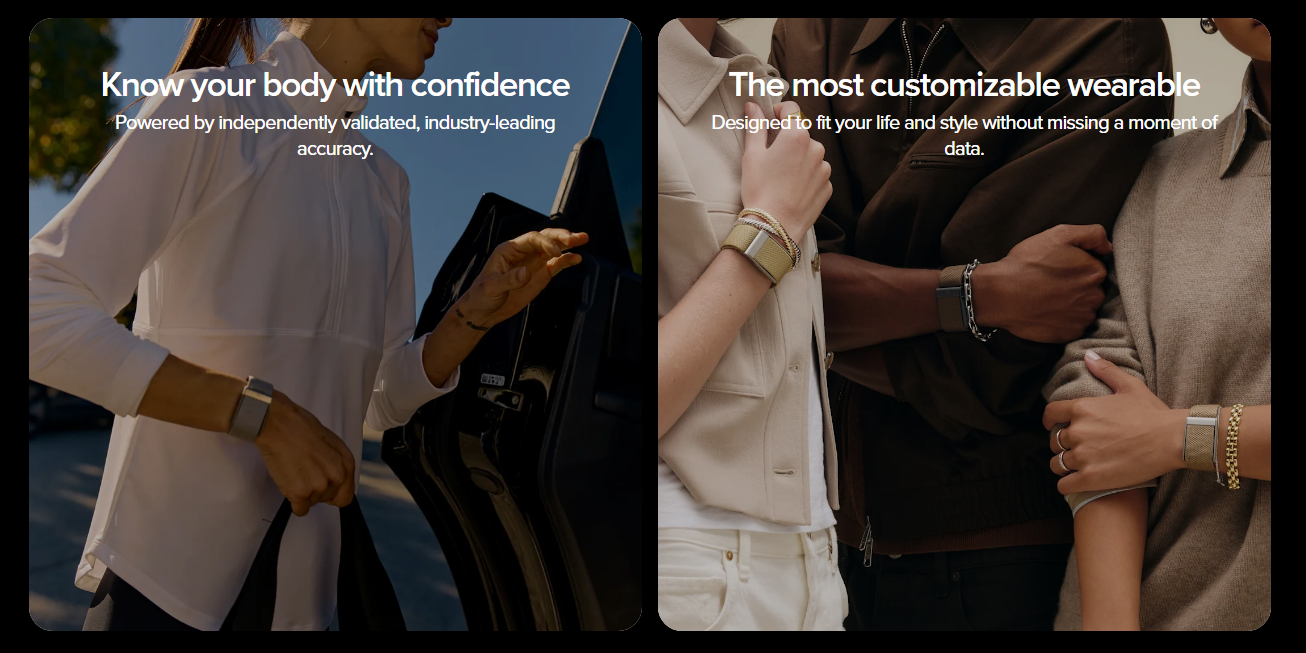
Whoop is a great choice for athletes or highly active individuals if your focus is on recovery. Unlike an Apple Watch or Garmin, Whoop doesn’t have a display, send text messages, or offer a bunch of apps. Instead, it focuses almost entirely on understanding how your body responds to training, stress, and recovery.
Whoop continuously measures heart rate, HRV, respiratory rate, skin temperature, blood oxygen, sleep quality, and daily strain. Every morning it generates a Recovery Score that estimates how prepared your body may be for another hard training session.
One feature that sets Whoop apart is its Strain Score, which attempts to quantify how physically demanding your day has been. This can help athletes balance training intensity with recovery rather than simply logging workouts.
Whoop also includes a sleep coach that recommends bedtimes based on your training load and recovery needs. If you’ve ever wondered whether you actually slept enough to recover from yesterday’s workout, this wearable actually tries to help answer that for you.
I would say the biggest downside is the ongoing subscription model, which a few of these wearables also have. The hardware itself is relatively simple to use, but to access your analytics, you need to have an active membership.
Best features
- Continuous HRV tracking
- Recovery score
- Daily strain score
- Sleep coach
- Workout detection
- Detailed recovery analytics
Best for
- Athletes
- Endurance training
- Strength training
- Performance optimization
Best for Muscle Recovery: Therabody RecoveryAir
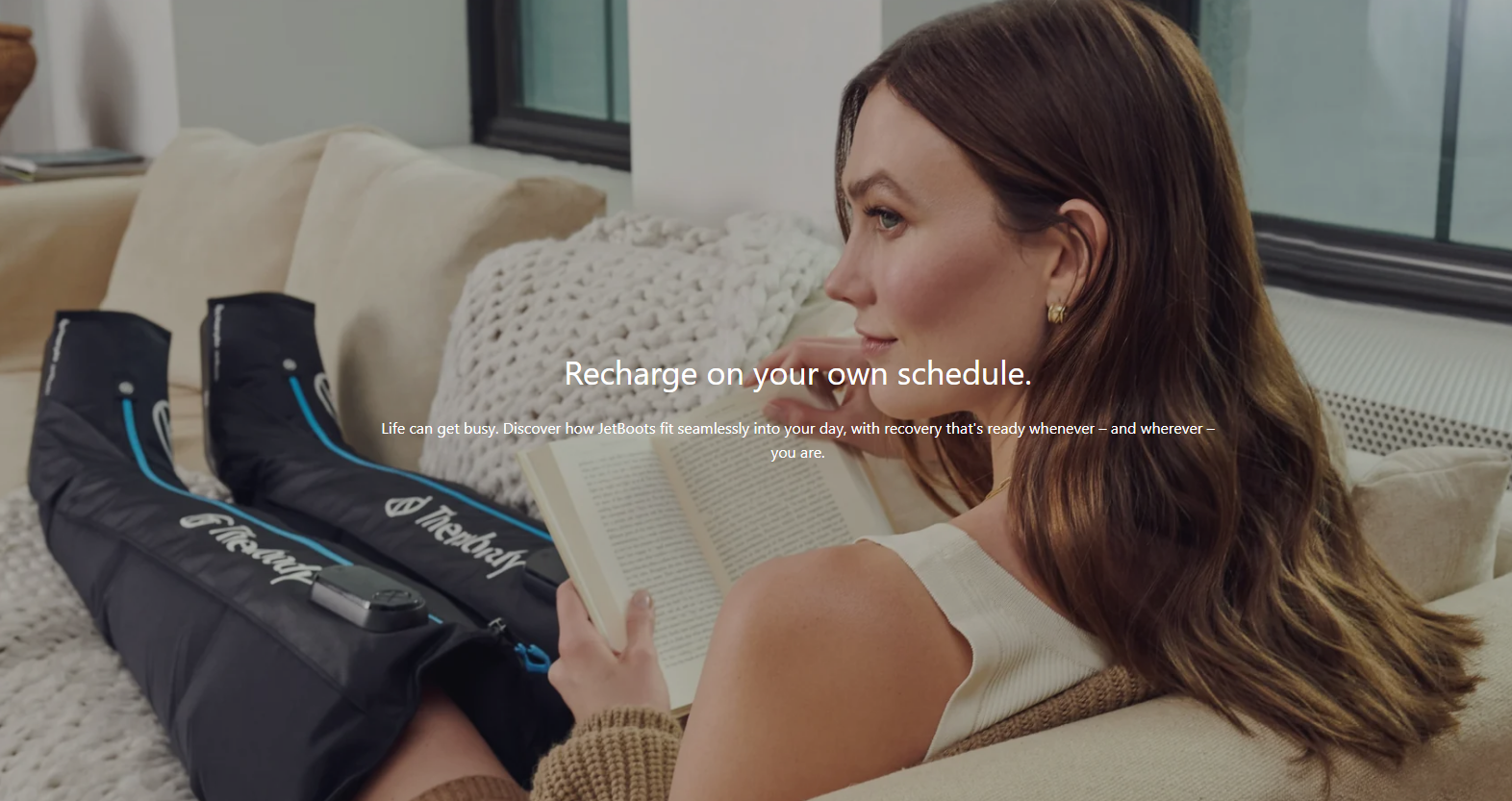
RecoveryAir is completely different from every wearable on this list because it focuses on using dynamic pneumatic compression to help improve circulation after exercise. What that means is basically the system consists of inflatable boots that rhythmically fill and release air in overlapping pressure cycles. This compression is designed to encourage blood flow and lymphatic movement, which helps reduce the heavy, fatigued feeling that often follows long runs, intense strength sessions, or endurance events. I actually used a similar product twice in the hospital while I was waiting for surgery, and both times, I found that it made my legs feel less swollen and uncomfortable.
Many athletes compare the sensation to receiving a sports massage, although the experience is much more consistent because each compression cycle follows a programmed pattern. You can adjust pressure levels, session length, and recovery programs depending on how intense your workout was. It’s obviously much larger and not as portable as the other devices on this list, but it can be a regular part of a recovery routine for anyone training several days each week, alongside quality sleep and nutrition.
Best features
- Dynamic compression therapy
- Adjustable pressure settings
- Multiple recovery programs
- Rechargeable system
- Full-leg recovery
Best for
- Runners
- Cyclists
- Weightlifters
- Muscle soreness
- Post-workout recovery
Best for Pain Relief: Cefaly

If migraines or chronic headaches are your primary concern, Cefaly stands apart from the other wearables because it’s specifically designed for one purpose. Rather than functioning as a general wellness device, it uses gentle electrical stimulation applied through an electrode placed on the forehead to stimulate the trigeminal nerve. It’s designed to help reduce migraine frequency for some users and can also be used during migraine attacks depending on the specific treatment program.
The device includes a few different modes depending on whether you’re using it for prevention or acute relief, and the sessions last around 20 to 60 minutes. Unlike other wellness gadgets, Cefaly has a more medical-focused purpose which makes it especially appealing to anyone who struggles with migraines despite lifestyle changes.
Best features
- FDA-cleared migraine device
- Preventive and acute treatment modes
- Non-drug pain management
- Portable and rechargeable
Best for
- Migraine prevention
- Chronic headache management
So, which is the best?
Health wearables have evolved far beyond simple fitness trackers. Today, they can help people monitor recovery, improve sleep, manage stress, support nervous system regulation, and even reduce chronic pain. The best wearable will ultimately depend on what you’re hoping to improve.
If stress is your biggest challenge, a nervous system wearable may provide more value than another sleep tracker. If you’re an athlete, recovery metrics might matter much more. And if migraines are affecting your quality of life, a medical device may make the most sense. Buying based on your actual goals almost always leads to a better experience than simply purchasing whatever is eligible. Finally, check your plan first. FSA rules can change, and some devices require a Letter of Medical Necessity while others don’t. Before clicking “buy”, confirm eligibility with your FSA administrator so there aren’t any surprises later.