
Brain fog after long COVID or chronic illness is difficult to describe, let alone manage. It can feel like your cognitive bandwidth has been cut in half; words don’t come as easily, focus drifts, and daily tasks take more effort than they should.
If this sounds familiar, you’re far from alone. A recent cross-continental study reported that patients with long COVID-19 in the U.S. report far higher rates of brain fog, depression, and cognitive symptoms than patients in other countries.
Many people turn to wearables, recovery tools, and at-home devices when conventional care doesn’t offer clear answers. If you have access to an FSA or HSA, some of these tools can also be partially offset through eligible spending accounts.
As a biologist (PhD) with a research background in human physiology, I hope to help bridge this gap through this guide. Below, we’ll explore evidence-backed, practical devices to support your recovery from brain fog and long COVID symptoms, with a special focus on FSA/HSA-eligible devices.
This guide is not a replacement for medical care, but a practical overview of tools that may support day-to-day functioning.
Disclaimer: These are not magic cures for your symptoms, but tools to support your nervous system and make your daily life easier.
Bottom Line Up Front
- Research suggests that long COVID symptoms may involve dysregulation in the nervous system, alongside inflammatory, vascular, and energy-metabolism changes.
- Start with nervous system regulation tools (like Nuropod) if you want the highest-impact, low-effort option.
- PEMF can be useful as a secondary tool for recovery and managing energy crashes.
- Red light therapy may help support brain energy and gradual cognitive improvement.
- Sensory tools are simple, affordable ways to manage the daily overwhelm and fatigue.
- You don’t need to try everything. Start with one tool that fits your symptoms and energy levels, use it consistently, and continue from there.
Why Brain Fog Can Happen in Long Covid (and How Devices Can Help)
Brain fog in long Covid isn’t just ‘in your head.’ Increasing research in this area has helped us to understand that it involves a combination of neurological, inflammatory, vascular changes, and low oxygen levels in our bodies post-COVID.
From a neurological perspective, research suggests that the virus triggers neuroinflammation and alters brain signaling. As a result, even mild infections can trigger your immune cells in the brain, interfering with communication between your brain regions and how you process information. The virus also changes neurotransmitters like dopamine and serotonin (chemicals that help us focus, think, and regulate our moods), leading to brain fog. An imbalance in these systems can lead to symptoms like mental fatigue, poor concentration, and slowed thinking, something you’re familiar with if you’re suffering from long COVID.
Inflammation is also a key part of the equation. High levels of inflammatory molecules (cytokines) are associated with cognitive symptoms, memory issues, and focus problems. This disrupts the brain’s ability to establish new connections and adapt—important for clear thinking. Low levels of inflammation can persist even after the initial COVID infection, further disrupting cognitive function.
Another possible driver of brain fog in long COVID is problems with blood vessels working properly (vascular dysfunction), especially in people who had breathing difficulties during the COVID infection. This can reduce the blood flow to the brain, contributing to the ongoing cognitive issues.
Reduced oxygen delivery can be another factor that affects brain cells. Persistent, mild reductions in oxygen supply over time can lead to symptoms such as reduced memory, poor concentration, and confusion.
In short, there is no fault with your brain; it’s just that your system is under strain. So, your body is still functioning as if it’s under stress.
This is why you need devices that can support the underlying biology (by targeting the nervous system, circulation, and cellular energy) rather than just masking the symptoms. They can offer practical solutions from the comfort of your home and help you recover gradually.
These potential tools can be grouped into a few categories based on how they work in the body:
Category 1: Nervous System Regulation Devices
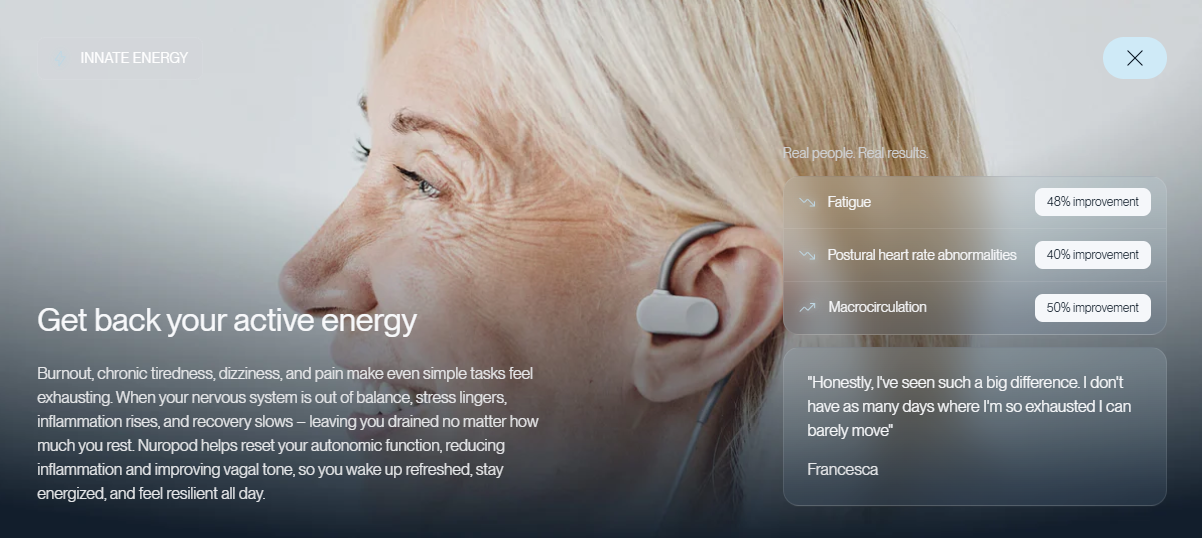
Nervous system regulation tools, especially those that stimulate the vagus nerve, are promising tools for brain fog and long COVID. These devices target the vagus nerve, a key part of the parasympathetic nervous system (a branch of the autonomic nervous system) that helps our body transition from a ‘fight-or-flight’ to a rest-and-repair state. When this system is functioning well, it maintains our respiration, heart rate, digestion, immune response, and mood.
This system is often out of sync in people with long COVID. They find it difficult to recover after stress or exertion. Stimulating the vagus nerve may help some users better manage common symptoms associated with long COVID, such as fatigue, cognitive strain, and stress sensitivity.
The vagus nerve plays a central role in autonomic regulation, including stress response, heart rate variability, and rest–digest balance. This is why it has become an area of interest in research exploring post-viral fatigue, stress sensitivity, and cognitive strain.
Early clinical studies in transcutaneous vagus nerve stimulation (tVNS) have explored potential associations with improvements in fatigue, mood, sleep quality, and cognitive symptoms in post-viral populations. The Nuropod from Parasym uses Auricular Vagal Neuromodulation Therapy (AVNT™), delivering gentle electrical stimulation through the outer ear (tragus) using a clinically grounded neuromodulation protocol designed for consistent daily use.
Nuropod applies this research in a non-invasive, at-home device designed for ease of daily use and may be eligible for FSA/HSA reimbursement depending on provider eligibility rules. A recent study suggests that transcutaneous vagus nerve stimulation may be a promising, non-invasive way to help manage multiple long COVID symptoms.
Best for: Users experiencing persistent fatigue, stress sensitivity, or cognitive overload who are looking for a nervous system-focused support tool.
Category 2: PEMF (Pulsed Electromagnetic Field Therapy)
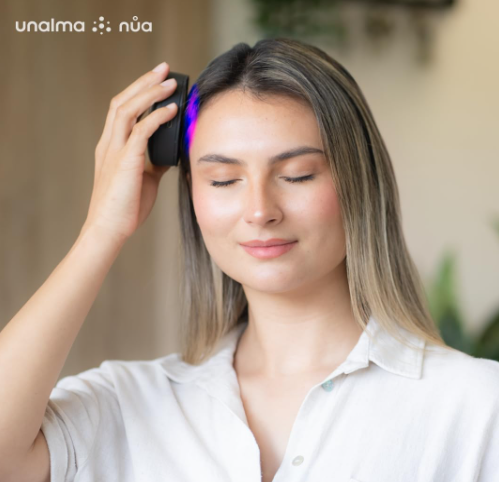
PEMF devices use low-frequency electromagnetic fields and are being explored for their potential effects on circulation, inflammation signaling, and recovery processes. Basically, the signals are specifically designed to support our body’s natural repair processes at your cell level. The evidence base is still emerging, and outcomes vary significantly across users and devices.
PEMF is often explored as another non-invasive tool to help those dealing with brain fog and long COVID by initiating repair, reducing inflammation, and improving circulation.
While the research on PEMF is still evolving, some case studies have shown improvement in long COVID symptoms, including fatigue, memory and concentration issues, headache, muscle pain, loss of smell and taste, depression and anxiety, dizziness, and post-activity fatigue, after one day of treatment, with effects continuing for up to six months after treatment.
Although PEMS appears to be a promising device category for long COVID, it might not work for those with severe pre-existing health conditions. More research is needed before we can verify the effects of PEMF and pursue its use as a tool for brain fog and long COVID.
PEMF devices are HSA/FSA eligible but not specifically approved for the treatment of long COVID. They are primarily marketed for overall recovery and wellness.
Best for: This category is for those who want to use PEMF devices as a complement to the broader recovery strategy.
Category 3: Red Light Therapy (Photobiomodulation)
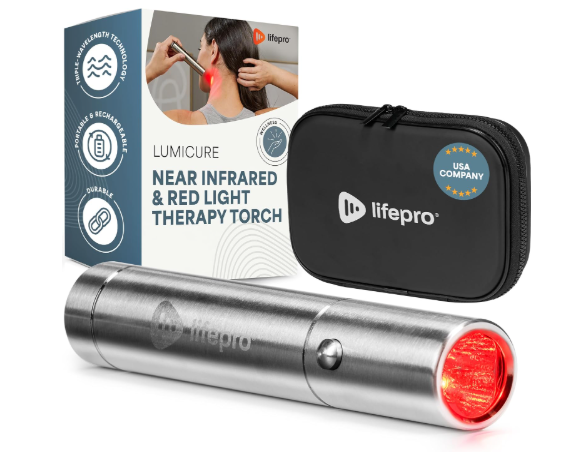
Red light, or photobiomodulation (PBM), is a non-invasive, low-level light therapy that delivers red and near-infrared light to modulate biological activity. Depending on the type of light used, PBM can increase your energy production, reduce oxidative stress, and control inflammation.
This category of devices can be useful for people dealing with brain fog and long COVID, as it can address the impaired brain energy metabolism. When your brain cells produce insufficient energy, even simple cognitive tasks can feel exhausting. Recent studies have also confirmed that people suffering from long COVID showed improvement in thinking, memory, and attention after taking PBM.
Despite improvements, PBM does not address all the symptoms of long COVID, including fatigue and physical function. PBM is a promising, safe, and non-invasive option, but it is not definitive. Larger studies are needed to confirm the effectiveness of the treatment for brain fog and long COVID.
Some of the red light therapy devices are HSA/FSA eligible, but they are not marketed for treating brain fog and long COVID.
Best for: People experiencing fatigue-related symptoms at the cellular level, rather than just stress or overstimulation. They can be used as an indirect tool for symptom support.
Category 4: Sensory & Regulation Tools
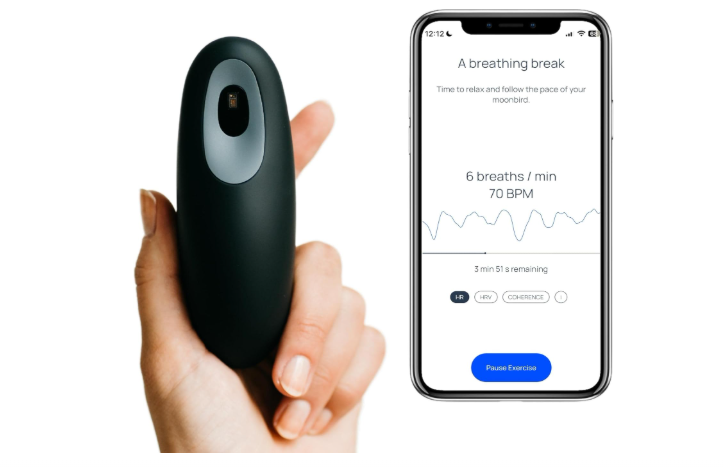
This category includes devices like wearable calming devices, breath-training tools, and cold exposure aids that can calm your nervous system. These devices look basic, but they can support in shifting your body out of a stressed state.
These devices are accessible, affordable, and easier to use compared to other devices. Using these devices can help you manage sensory overload, anxiety, and mental fatigue. Having said that, these tools can work best as supportive and not standalone solutions.
They can work alongside other approaches, such as nervous system regulation devices that target the vagus nerve, to address the root causes of post-COVID symptoms.
Best for: People who need simple, low-effort tools to stabilize their system throughout the day.
Final Takeaway: How to Spend Your FSA Smartly on Recovery
Brain fog and long COVID symptoms aren’t always about pushing yourself to perform at your best; it’s about striving to regain stability in your day-to-day functioning and get rid of that ‘out-of-sync’ feeling. One common experience for everyone who has suffered from post-COVID symptoms is misdiagnosis or misunderstanding. This is why most people are looking for home tools that can actually work.
The category that targets the autonomic nervous system can help improve long COVID and brain fog symptoms, as this system is often dysregulated in these conditions. Within this category, Nuropod can be an effective and convenient option for long COVID symptoms. It can support autonomic recovery, stress response, and cognitive clarity by targeting the vagus nerve. For most people suffering from long-term COVID, the most commonly reported post-purchase use cases are improvements in fatigue, cognitive slowing, and overstimulation. Other options, such as PEMF and red light therapy, can also be used for supporting cellular energy and recovery, and sensory tools can stabilize your day-to-day fluctuations post-COVID.
Most importantly, recovery often comes with ups and downs. There isn’t a singular, universal fix for brain fog and long COVID symptoms. But what matters most are the small, consistent improvements that come from choosing tools that address the underlying cause and make progress over time.