


- How to Compare Cash Back Credit Cards: Balancing Rewards and Spending - October 27, 2026
- The Best CardRatings Alternatives for Comparing Credit Cards - October 27, 2026
- How to Compare Money Transfer Services - October 14, 2026
When used strategically and maintaining a low balance each month, opening up a credit card can be a smart financial move. Credit cards are helpful in improving your credit score for future, larger loans. One of the other notable advantages of credit cards is the rewards. Credit card rewards often come as cash back, which is easy to calculate and can actually save you money.
Not all cash back credit cards are the same, however. Rewards structures vary, with some applying a flat cash back percentage to all purchases and others rewarding certain spending categories at higher rates. Also, the same variables apply as with other types of credit cards: welcome bonuses, APRs, annual fees, credit score requirements, and more.
Here’s what you should focus on when comparing cash back credit cards.
Cash Back Rewards Structure
Cash back credit cards structure their rewards in a few different ways: using flat-rate, tiered, or rotating rewards.
Flat-Rate Rewards
With a flat-rate card, the same cash back percentage applies to all purchases, regardless of spending category, and rewards are uncapped. Commonly, the percentage is between 1% and 2%. Flat-rate cards are the lowest-effort cash back cards to use, as you don’t need to keep track of distinct rewards across spending categories.
Tiered Rewards
Tiered cash back rewards apply a different cash back percentage depending on the spending category, rewarding certain categories higher than others, which are referred to as “bonus categories.” Some may reward one category in particular, with others having multiple tiers. Examples of spending categories you’ll see rewarded are restaurants, groceries, gas, travel, entertainment, and online retail.
The cash-back percentages for tiered rewards can get quite high, as much as 5% to 6% or more. Something to note about tiered rewards is that spending in non-bonus categories is usually still rewarded, just at a lower rate. For instance, you might see a structure where “all other purchases” earn a flat 1% cash back.
Additionally, look out for spending limits, as there are often caps with the higher rewards tiers. Once you hit that cap, the cash back percentage for that category might revert to a lower percentage for the remainder of the year.
Using a card with a tiered rewards structure can be a smart choice if your spending is concentrated in certain categories or if you are willing to juggle multiple cards. One common strategy is to have multiple tiered cards and use the appropriate card for each purchase to maximize rewards. For instance, you might use one card when grocery shopping, another when spending on travel, and a third when eating out at restaurants.
Rotating Rewards
Cards with rotating reward categories are another type of tiered cash back credit card, but the bonus categories don’t stay the same. Usually, they rotate every quarter, and you may have to activate the reward online to earn the higher cash back percentage.
Sometimes, the bonus categories are out of your control, while some cards let you customize them to accommodate your spending habits. Regardless, there are typically strict spending caps, around $1,500 to $2,500, for the purchases that qualify for the higher rate.
Like other cards with tiered cash back rewards, using a card with rotating rewards requires a great deal of preparation and tracking throughout the year. It is more complex than using a tiered card with static bonus categories, as you have to pay attention to the rewards changing and may want to time major purchases accordingly.
Welcome Bonus

Some cash back credit cards offer generous sign-up or welcome bonuses, where you can earn additional cash back rewards, often in the $100 to $300 range, by meeting specific criteria. Usually, it involves you spending a certain amount in the first three or six months of having the card.
Some welcome offers are available for a limited time only, and you may only earn the bonus once, even if it’s been a while since you last applied. Plus, many issuers have restrictions on the number of credit cards you can open with them within a short period. With all this in mind, it’s important to apply for cards strategically to earn the most generous welcome bonuses.
Statement Credits
Another way you can benefit from using a cash back credit card is by earning statement credits for certain types of purchases. A statement credit is money added back to your account, and you may earn credits for spending on Lyft, Disney+, Walmart+, StubHub, Peloton, or ChatGPT, just to name a few examples. Statement credits are limited to either an annual or monthly amount depending on the card in question. The annual limit is often in the hundreds of dollars.
Rewards Redemption Methods
The most common way to redeem cash back rewards is as an automatic statement credit. Many cards let you redeem cash back rewards each month regardless of how little or how much you have earned, while others require you to accumulate a minimum of $20 or $25 before redeeming.
Depending on the card, you may also redeem cash back as a mailed check, a deposit to your savings or investment account, a gift card (either electronic or mailed), or a charity donation. Not all cards have the same redemption options, so be sure to check the fine print if there is a certain method you’re looking for.
Annual Fee

Cash back rewards shouldn’t be thought of in a vacuum, as there can be a tradeoff between rewards and the annual card fee. There are many cash back cards with no annual fee, which makes the rewards math easy. However, there are also several that impose a yearly cost, though the fee is frequently below $100. If you’re interested in a card that charges an annual fee, estimate your spending and consider how the fees will eat into your rewards.
APR (Annual Percentage Rate)
Credit card APRs, or interest rates, can be exorbitantly high. If you neglect to pay down your statement balance each month, the interest can quickly compound and result in a significant amount of debt. By staying on top of your payments, you can avoid these consequences, but it’s still a good idea to understand your card’s interest rates instead of ignoring them entirely.
A credit card’s regular APR is usually variable, changing along with the market. The APR depends on the card, with some APRs being higher than others. Credit card interest rates are notoriously high compared to other financing types, reaching 30% or more.
The regular APR isn’t always in effect right away, though. Some credit cards have a 0% intro APR period for either purchases, balance transfers, or both. The intro APR period is usually anywhere from six to 24 months, after which the regular APR kicks in.
Credit Score Requirements
Any type of rewards credit card, with cash back cards included, requires either excellent or good credit. Cards with more generous cash back rewards tend to have higher credit score requirements. Applying for cards that align with your personal credit score increases your chances of approval.
If your credit score is fair or bad, or if you have no credit history, there are still options available. Some secured credit cards offer cash back rewards, although the cash back percentages tend to be lower, such as 1%. Secured cards also require you to put down a security deposit, $200 being a common minimum.
Example: How Much Will You Earn from Cash Back Rewards?
To illustrate how much you could earn from cash back rewards, let’s run through some examples.
Suppose that you spend $5,000 on a cash back credit card over the course of a year, with spending broken down as follows:
- Groceries: $3,000
- Online retail: $1,500
- Other: $500
Here’s how much you would earn in cash back rewards.
Cash Back Card #1 (Flat-Rate)
This card uses a flat cash back percentage of 2% across all purchases. There is no annual fee.
$5,000 × 0.02 = $100
Cash Back Card #2 (Tiered)
With this card, you’ll earn 3% cash back for grocery and online retail purchases. All other purchases earn 1%. There is no annual fee.
($3,000 + $1,500) × 0.03 = $135
$500 × 0.01 = $5
Total = $140
Cash Back Card #3 (Tiered with Annual Fee)
This card charges an annual fee of $50. The cash back rewards percentages are 5% for groceries, 3% for online retail, and 1% for all other purchases.
$3,000 × 0.05 = $150
$1,500 × 0.03 = $45
$500 × 0.01 = $5
Total = $200
Less the $50 annual fee, your rewards are effectively $150.
Using Cash Back Credit Card Comparison Sites
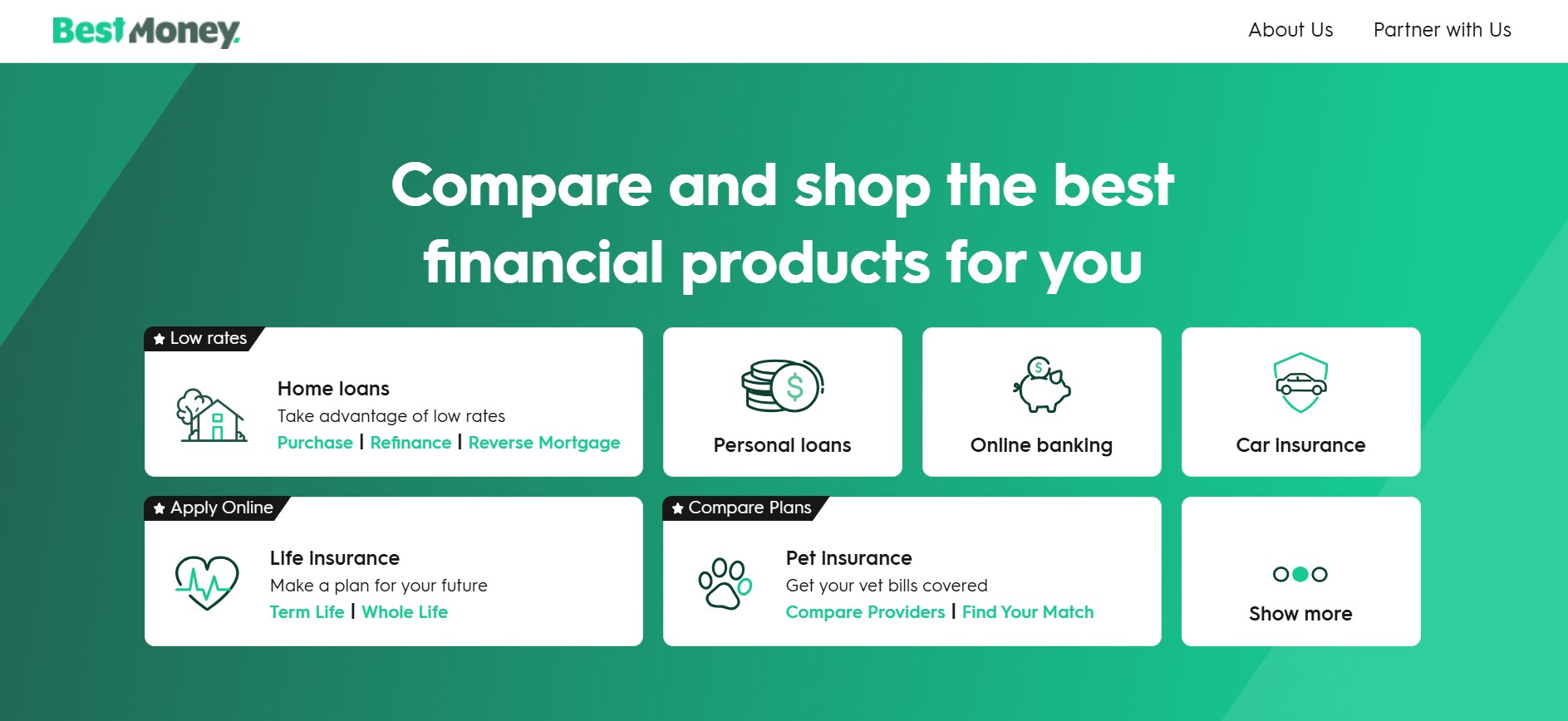

Instead of relying on mailed prequalification offers, online discussions, or visiting each issuer’s site, one of the most effective, data-driven ways to compare cash back cards is to use an interactive comparison tool, such as BestMoney or NerdWallet. These sites earn money in slightly different ways. Bestmoney through commissions and advertising fees, while Nerdwallet also has commissions, advertising fees, and lead generation. One thing both impose is high editorial standards to ensure that the information presented is accurate and complete.
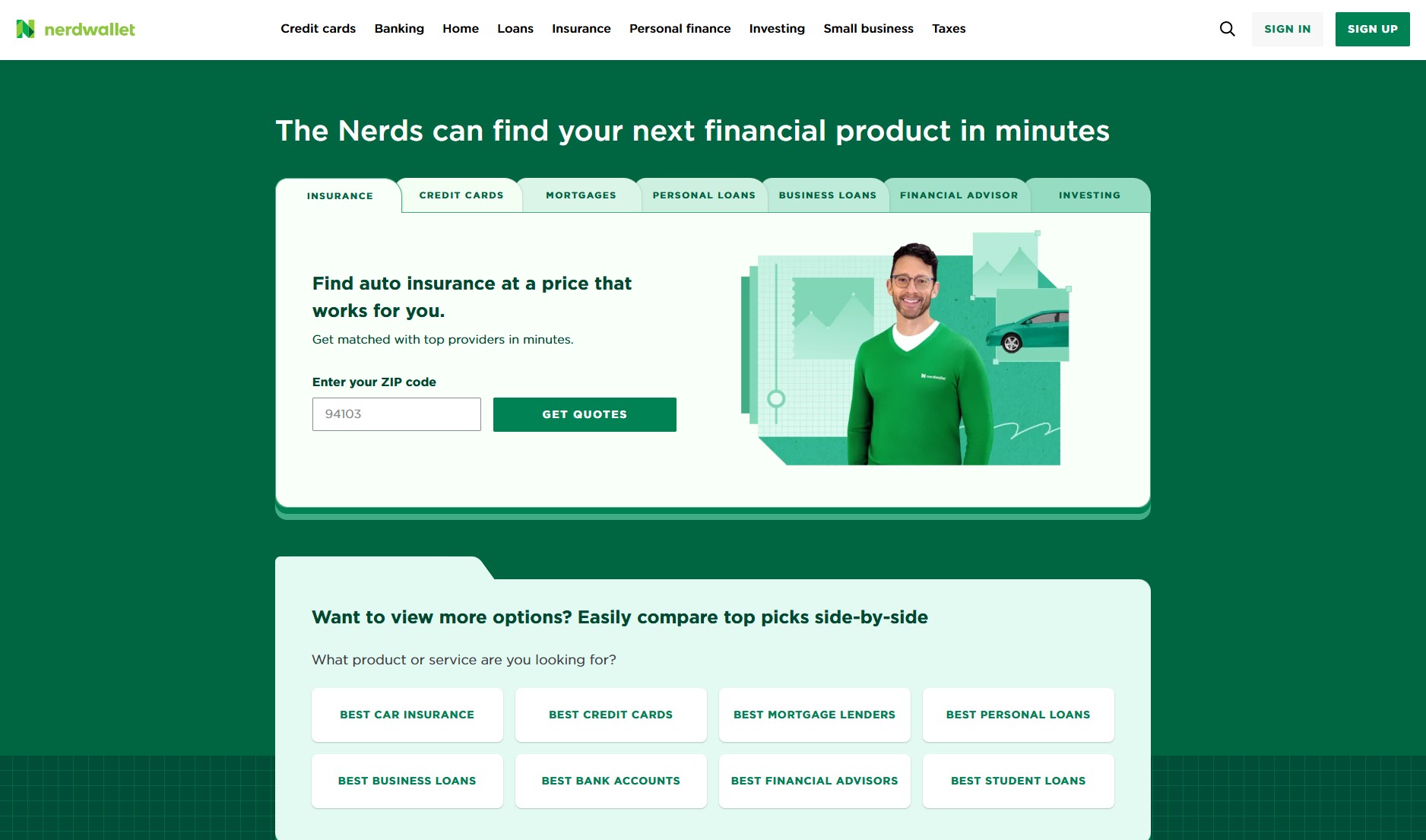

You can use financial comparison sites to filter for credit cards with cash back rewards, which lets you compare several cards’ cash back percentages, APRs, and welcome bonuses all on one page. Often, the editorial teams assign ratings to cards and publish in-depth reviews, so you can get a more comprehensive look at a card’s features. There may be educational articles and calculators to explore as well.
Start Earning Cash Back Rewards Today
Cash back credit cards are popular both among those new to credit cards and those who have experience with several. Compared to other types of rewards like points or miles, cash back is predictable and easy to calculate. This doesn’t mean that all cash back cards are equally valuable, though. Be sure to consider a card’s cash back percentages, particularly if there are any bonus categories, and determine if they align with your everyday spending before applying.
Beyond rewards, you should still consider the usual variables like welcome bonuses, APRs (including intro APRs), and annual fees. Then, you need to think about which cards you actually could qualify for and target those within your credit range.