


- How to Compare Money Transfer Services - October 14, 2026
- The Best Sites Like NerdWallet for Comparing Financial Products - September 18, 2026
- The Best Business Loan Comparison Sites - August 29, 2026
For those with friends or family members in other countries around the world, using a money transfer service can be a convenient, streamlined way to send them money. It’s also common for businesses to use these services if they need to pay international vendors and contractors.
There are several leading servicers on the market today, but like with everything, they aren’t interchangeable. If it’s only a small, one-time transfer to a broadly supported country, the service you use may not make much of a difference. However, if you’re making frequent or large transfers, or sending to countries not widely accepted, you need to spend some time researching to find the best fit.
Here’s what you should prioritize when deciding between money transfer services.
FX Rates and Fees
The advertised exchange rate on any given day will vary among money transfer services, and this is likely not the true mid-market rate. The mid-market rate is the midpoint between the bid and ask rates. It is usually considered the fairest, most neutral exchange rate. The reason that the rate shown on a money transfer service’s site would differ from the mid-market rate is because the servicer is charging a markup.
For example, the mid-market transfer rate could be $1 = €0.90, yet the rate offered is $1 = €0.88. Here, your recipient would get somewhat less than the mid-market rate. This comes out to a foreign exchange (FX) markup of around 2.2%.
To ensure that the most money gets to your recipient, you would want to choose a money transfer service with the lowest markup for the specific currencies you need. What makes this challenging is that these companies rarely show you the exact markup. Instead, it is included in their exchange rate. The markups can differ depending on the currencies involved, so don’t assume that one service is always going to be the cheapest overall. This is especially true given that FX rates fluctuate along with the global economy.
Aside from FX rate markups, another way money transfer services turn a profit is by charging flat transfer fees. This varies by delivery method and currency. When determining which transfer service is the least expensive for your needs, be sure to factor in both the FX rate and any flat fees. Usually, money transfer sites have interactive calculators where you can quickly view how much your recipient will receive, which automatically includes fees.
Payment and Delivery Methods
Like fees, available payment and delivery methods may not be the same for every country and currency. You’ll want to choose a money transfer service that has the methods that both you and your recipient need. Payment and delivery methods you’ll commonly see offered are:
- Payment: Credit or debit card, bank transfer, digital wallet (Google Pay, Apple Pay, etc.), in-person cash payment
- Delivery: Bank deposit, digital wallet deposit, reloadable card (debit card), in-person cash payment, home delivery
Cash can be an especially popular choice for those without bank accounts. Note that for in-person cash delivery, not all services have comparable networks. Be sure to verify that the money transfer service you’re using has convenient pickup locations for your recipient.
Supported Countries and Currencies
One of the most common reasons someone rules out a certain money transfer service is its geographic coverage. Not all services support the same countries and currencies, which becomes more of a concern if the currency or country you need is in lower demand overall. Some companies can not or will not send money to countries for a variety of reasons; including sanctions, anti-terrorism, and bank related legislation.
Sometimes, you may encounter a problem where a service supports the country you need but not the currency, in which case it won’t work for your needs. Make sure a service checks both boxes. Check to see if the particular servicer supports your desired payment and delivery methods, as availability can vary by country and currency.
Transfer Speed
Transfer speed is another important variable. This depends ultimately on your payment and delivery methods, as well as the country and currency. Additionally, money transfer services can have their own distinct timelines.
Some services offer near-instant delivery, usually within minutes. Transfers funded by a debit card or delivered to a digital wallet are among the fastest. Bank transfers and home delivery are often more time-consuming.
Transfer Limits
Money transfer services impose caps on the amount of money you can send. There are both per-transaction maximums, which are important to look out for. Commonly, there are also limits on the amounts you can transfer within a set time period, such as 24 hours, 30 days, 60 days, 90 days, 180 days, or 365 days.
The delivery method you use can also affect the limit, as there are often lower maximums for cash transfers. Many servicers have levels of account verification which can dictate how much you can send. For instance, if you’ve uploaded a government-issued ID or other specified documentation, it’s possible that you could unlock higher transfer limits. Sometimes, geography sets your limits as well, as it could be lower than usual because of local or regional regulations in both your and your recipient’s country.
Promotional Offers and Rewards
It’s not unusual for money transfer services to run promotions for new users. A promotion could consist of waived or discounted transfer fees, with favorable FX rates being offered as well. The promotions are usually only valid once or for a set time period, with the standard fees kicking in for subsequent transfers. You may also see referral bonuses, where you get a monetary reward when you refer a friend and that friend completes a qualifying transfer.
While a money transfer promotion can be enticing, it should play a minimal role in helping you decide which service to use, as there are limits to these benefits. If you’re only making a one-time transfer, it could make sense to use something with discounted fees for new users. However, if you plan on sending money transfers regularly, focus on more long-term aspects of the service.
Personal vs. Business Money Transfers
Both individuals and businesses benefit from using international money transfers. Most services have both sectors covered. However, a transfer can function a bit differently depending on whether it’s personal or business. For example, you’ll want to double check the applicable fees and limits, as they may not always be the same across types.
Plus, business users may require features that rarely apply to individuals. Software integrations, such as accounting and ERP syncs, can be especially important, as well as API access. Batch and recurring transfers can also come in handy, along with approval workflows.
Another feature that benefits primarily businesses, but also some individuals, is a multi-currency account or wallet. Some money transfer services offer multi-currency accounts, where you can hold several currencies at once and wait to convert until there are favorable FX rates.
Payment Tracking
Senders and recipients should be able to monitor the status of a money transfer using the tracking ID number. Look for a money transfer service that lets you see when the payment was sent, the estimated delivery timeline, and when the payment was deposited. In case there are issues, the service should notify you about delays or any failed transfers. Specific to in-person cash delivery, the recipient needs to be notified when the cash is ready for pickup.
A reputable money transfer service should allow you to set up alerts for this, and you should not have to perform manually checks yourself. You could also enable text or email updates if applicable.
Cancellation Policies
You may need to cancel a money transfer after sending, although the specific policies depend on the service you’re using. The cancellation window tends to be brief, but the length can vary from minutes to days. However, you must act quickly, as you usually can’t cancel a transfer or initiate a refund once the money has been delivered. Many of the companies in this space let you cancel a transfer on your own without having to contact customer service.
Mobile App Features

Today, it’s pretty typical for users to send money transfers through a mobile app, with an intuitive, user-friendly interface being a must-have. An ideal money transfer app would let you choose from multiple payment and delivery methods, access all the service’s supported countries and currencies, view the FX rates before sending, track your transfer, and contact customer support if needed. It should auto-save recipient details so that you don’t have to manually enter their details every time you make a transfer.
Specific to FX rates, you should be able to monitor live rates, even if you aren’t in the process of making a transfer, and the app should store historical rate information. Plus, you should be able to set up customizable notifications for FX rate alerts and account activity. Businesses may have bill pay capabilities and approval workflows.
As money transfers involve sensitive financial information, a mobile app needs to have robust security features. Look for apps that encrypt your data and use secure account authorization, like multi-factor authentication or biometric identification, such as Face ID or Touch ID. Some apps also require you to upload a government ID before transferring funds, which adds another layer of security.
Customer Support
Any money transfer service you choose should have a well-organized help center with FAQ sections and guides, but it should go beyond this by providing personalized support. Live chat and phone support are commonly available, and look for a service that makes it easy to get in touch with a human rather than AI support only. Ideally, a money transfer service should have human support available 24/7, allowing you to get assistance quickly whenever an issue arises.
Because of the international nature of money transfers, many services offer customer support in numerous languages. However, the available languages may not be the same across both live chat and phone support, so be sure to double check this if you’re looking for a particular language.
Comparing Money Transfer Services Online
With money transfer services, there are plenty of available choices, which can make it tricky to find the one that is the best fit for your needs. Instead of picking whatever ranks highest in search engine results, it’s a good idea to do some digging and ensure that a service is actually right for you.
There is a better way to go about it than having several tabs open and clicking back and forth between them. One of the most efficient ways to compare several money transfer services at once is to use a financial comparison site. BestMoney, Monito, and Finder are a few popular examples. Financial comparison sites present multiple options on a single page. They round up some of the leading choices out there and help you make accurate comparisons.
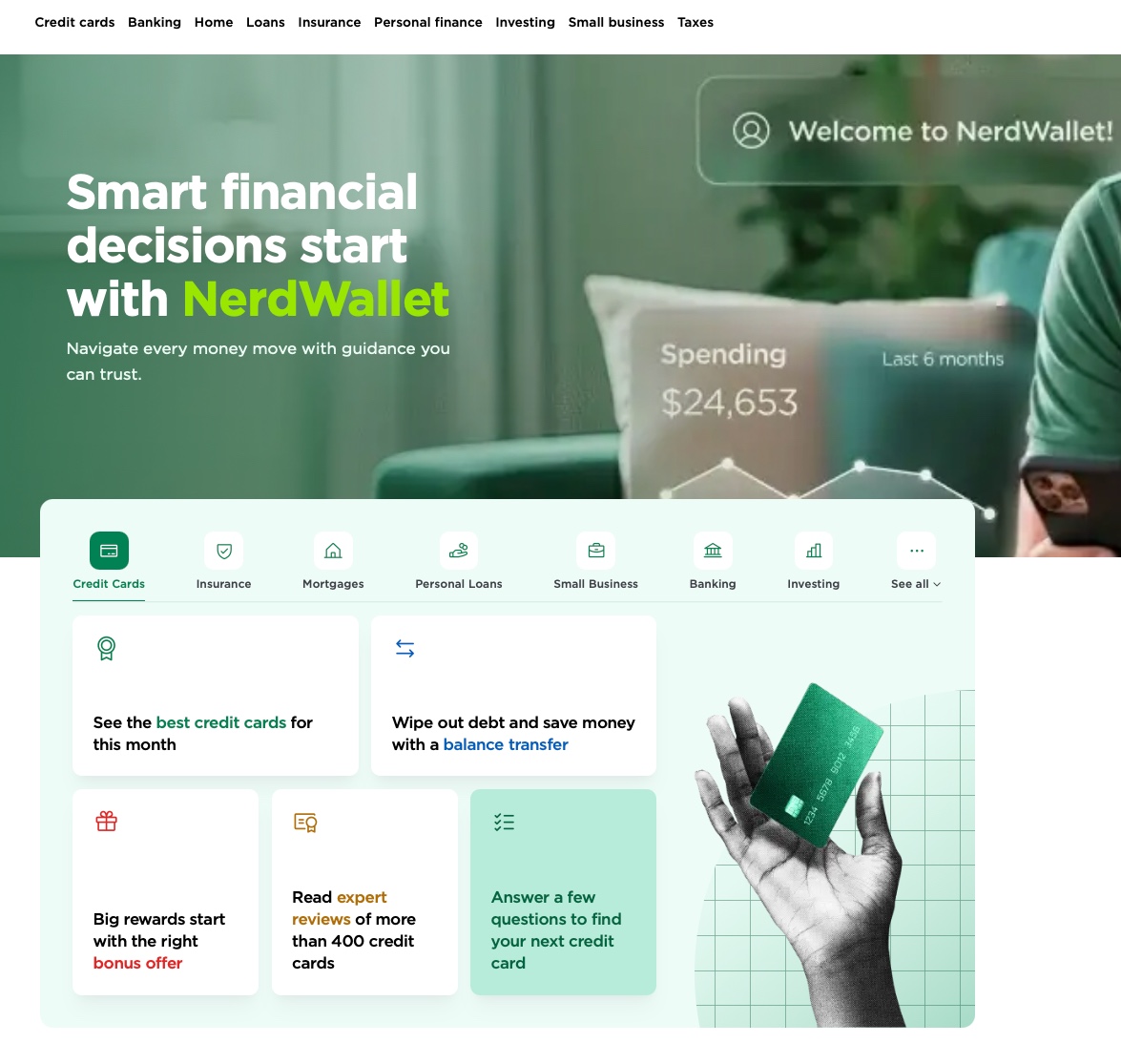
Often, these sites have editorial teams rate and review money transfer services. This can give you a more detailed look at fees, speed, customer service, and other characteristics. It is a one page snapshot comparison to then look deeper.
Start Transferring Money Today
Sending money internationally can be complex, but money transfer services make it a fairly streamlined process. These services aren’t all the same, though. Even if they look similar at first, upon further digging, you will find notable differences that could lead to you favoring one service over another.
When comparing money transfer services, there are several variables to consider: FX rates, transfer fees, payment methods, delivery methods, limits, and speed, among others. Take the time to weigh your options carefully, especially if you’re making a large transfer or you plan to send them frequently.