



Known for his no-nonsense approach and hands-on leadership, Jonathan blends real-world experience with technical precision, whether he’s streamlining accounting workflows, optimizing tax strategies, or forecasting financial performance.
Outside of the numbers, he’s a fitness enthusiast who trains in his home gym before sunrise and has a knack for marine aquariums, construction projects, and keeping things humble, with no flashy titles needed.
- Strategic Capital vs Stone Street Capital: Who Should Buy Your Structured Settlement? - February 19, 2026
- The Best Financial Comparison Sites for Travel Credit Cards - January 17, 2026
- BestMoney.com Review: A CPA’s Perspective on a Financial Aggregator - January 15, 2026
Choosing a credit card isn’t just about picking a pretty piece of plastic. It’s a math problem!
And as a CPA, I adore math, and I adore talking about math, so I feel I’m a good candidate to help walk through this topic.
Most of my clients intelligently use credit card applications to receive sign-up bonuses, bridge a cash gap, or get rewards (I seldom advise them to sign up for one just because they need a new closet full of clothes). But if they sign up for one without consulting with me, I often see the aftermath: annual fees that outweigh rewards, interest rates that destroy cash flow, and “perks” that no one actually uses.
To actually find the right financial tools, you either need a savvy CPA or a platform that strips away the marketing and shows you the numbers that matter: effective APR, approval odds, and the value of rewards points.
So today, I’m going to walk through the six best credit card comparison platforms on the market. I’ve used them all — sometimes for myself, usually for clients who need to fix their credit mix.
By the end, you’ll know three things:
- Which platform gives you the cleanest data
- Which tool is best for specific purposes
- When you’re just wasting your time scrolling through endless editorial reviews
1. BestMoney.com: The Efficiency Engine

Best For: Intuitive financial advice without the rigamarole.
When I look at a client’s finances, I don’t just look at their credit cards in a vacuum. I look at their cost of capital. Sometimes a credit card is the answer, but oftentimes, a personal loan is cheaper. BestMoney is one of the few platforms that seems to understand this distinction; while other platforms try to be media companies first and financial tools second, BestMoney sticks to the math.
Their interface allows you to toggle between financial products — loans, cards, debt consolidation — with very little friction. You aren’t forced to wade through five pages of lifestyle articles to get to the APR. You plug in your parameters, and the platform shows the offers that match your credit profile.
Where It Wins
- Speed to Insight: The dashboard is stripped down in the best way: you get the rate, the term, and the fees. For a CPA, this is ideal because it respects my time.
- Comparisons: It’s easier here than on almost any other site to compare a balance transfer card against a low-interest personal loan. That comparison alone is super useful and can help indicate thousands of dollars saved in interest.
- Transparency: They are very clear about what’s an ad and what’s a sorted result. In an industry built on “sponsored” content, that’s refreshing.
The Drawbacks
It doesn’t have the massive library of how-to guides that a site like NerdWallet has. So if you need someone to explain to you what an APR is, you might need to Google that separately. BestMoney assumes you are there to do business.
2. NerdWallet: The Content Library
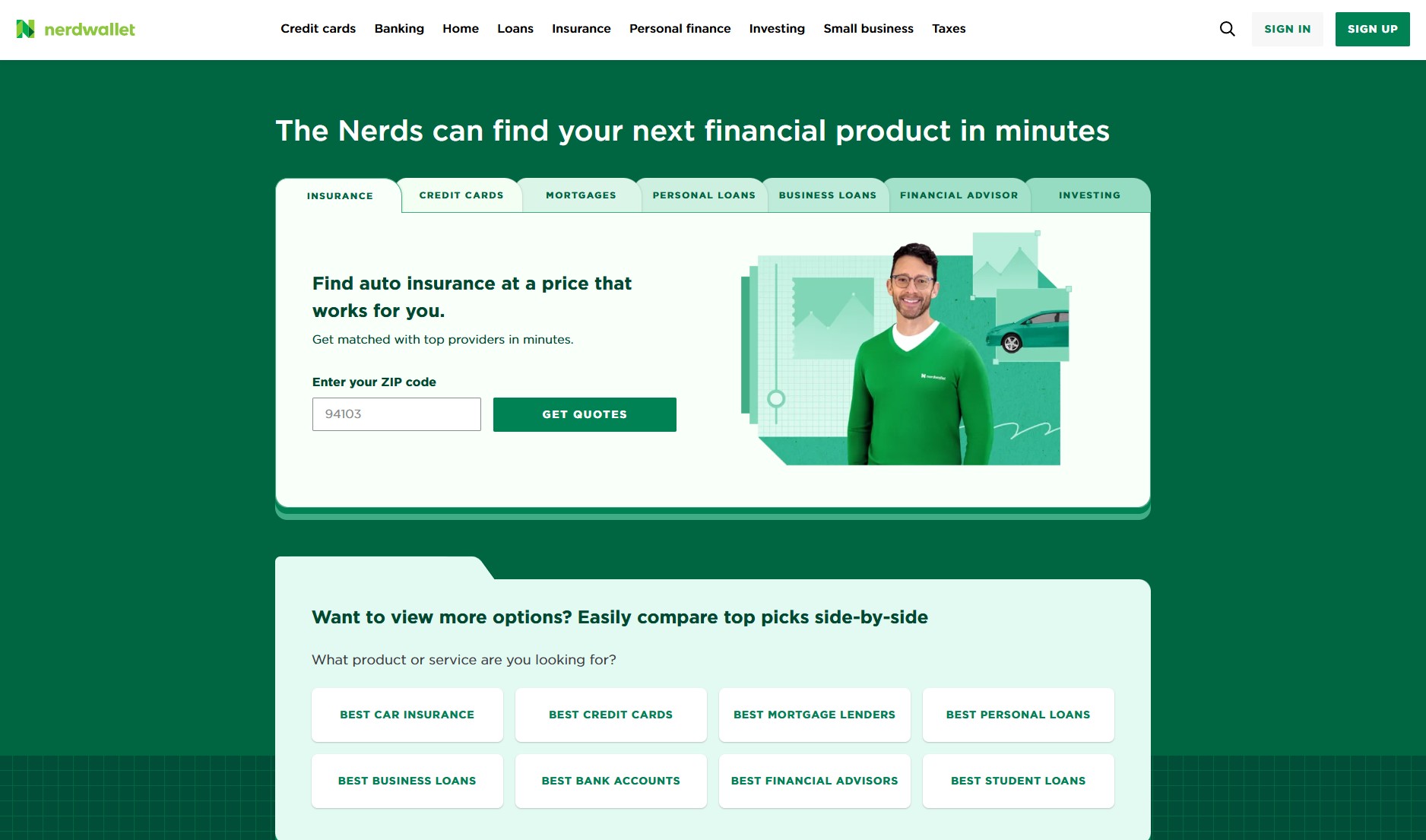
Best For: Beginners who need education alongside their comparison.
NerdWallet is effectively the Wikipedia of personal finance. They’ve been around for a long time, and they’ve written a review for nearly every financial product in existence.
That’s why people who are completely new to credit get the most use out of Nerd Wallet. If someone doesn’t know the difference between a secured card and an unsecured card, NerdWallet’s editorial team does a fantastic job of breaking it down.
Their “Schumer Box” translations (the table that lists fees) are also excellent. They take the legal jargon from the card issuer and turn it into English.
Where It Wins
- Editorial Depth: Their writers are legitimate journalists. I feel that the reviews are thorough, fair, and often include nerdy-but-important details that other sites miss.
- Calculators: They have built-in calculators that help you estimate how much cash back you’ll actually earn based on your spending.
- Trust Factor: They are a massive public company, so their compliance standards are high. You’re unlikely to find scammy products here.
The Drawbacks
It can be noisy because there is SO MUCH here. You often have to scroll past a lot of general advice to find the actual “Apply Now” link or the specific terms. It feels more like reading a magazine than using a tool.
3. WalletHub: The Data Analyst
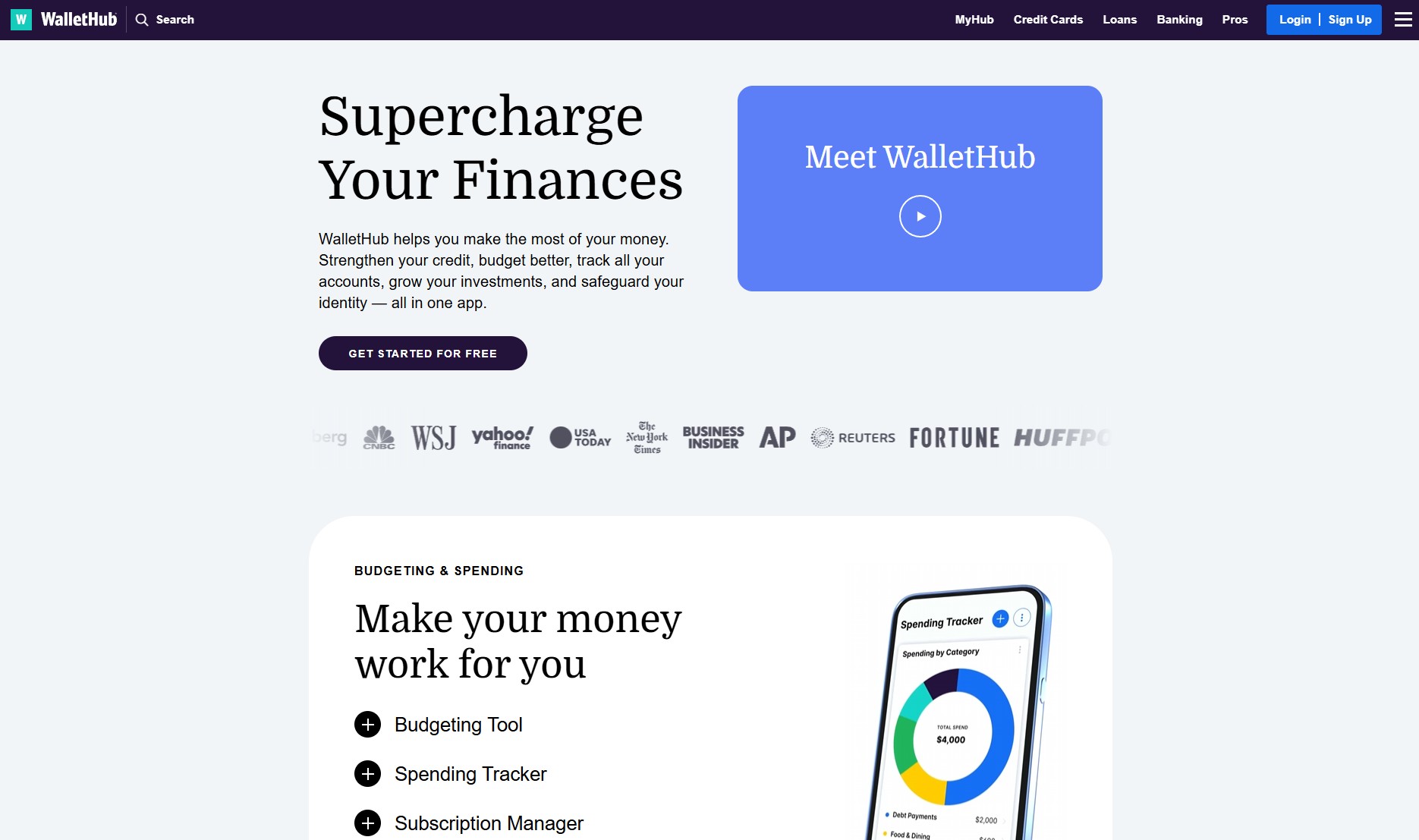
Best For: People who want raw data, daily credit updates, and granularity.
If BestMoney is the clean dashboard and NerdWallet is the library, WalletHub is the messy desk of a brilliant eccentric. The amount of data they throw at you is staggering, which I adore (numbers nerd here, after all).
It’s the tool I use when I need to find a needle in a haystack because they seem to aggregate data on everything. Their “WalletHub Score” is proprietary, but I find their raw data (like historical APR trends) to be very useful for more advanced financial work.
Where It Wins
- Sheer Volume: They list cards that other sites ignore, including credit union cards and obscure regional bank offers.
- Daily Updates: They update credit scores and reports faster than almost anyone else in the free tier.
- The Landscape View: They have excellent charts showing how your credit standing compares to the national average.
The Drawbacks
The user interface here is aggressive. It’s crowded, full of charts, numbers, and relentless calls to action. It’s not calm by any means, so if you get overwhelmed by data, this is not the place for you.
4. Credit Karma: The Approval Predictor
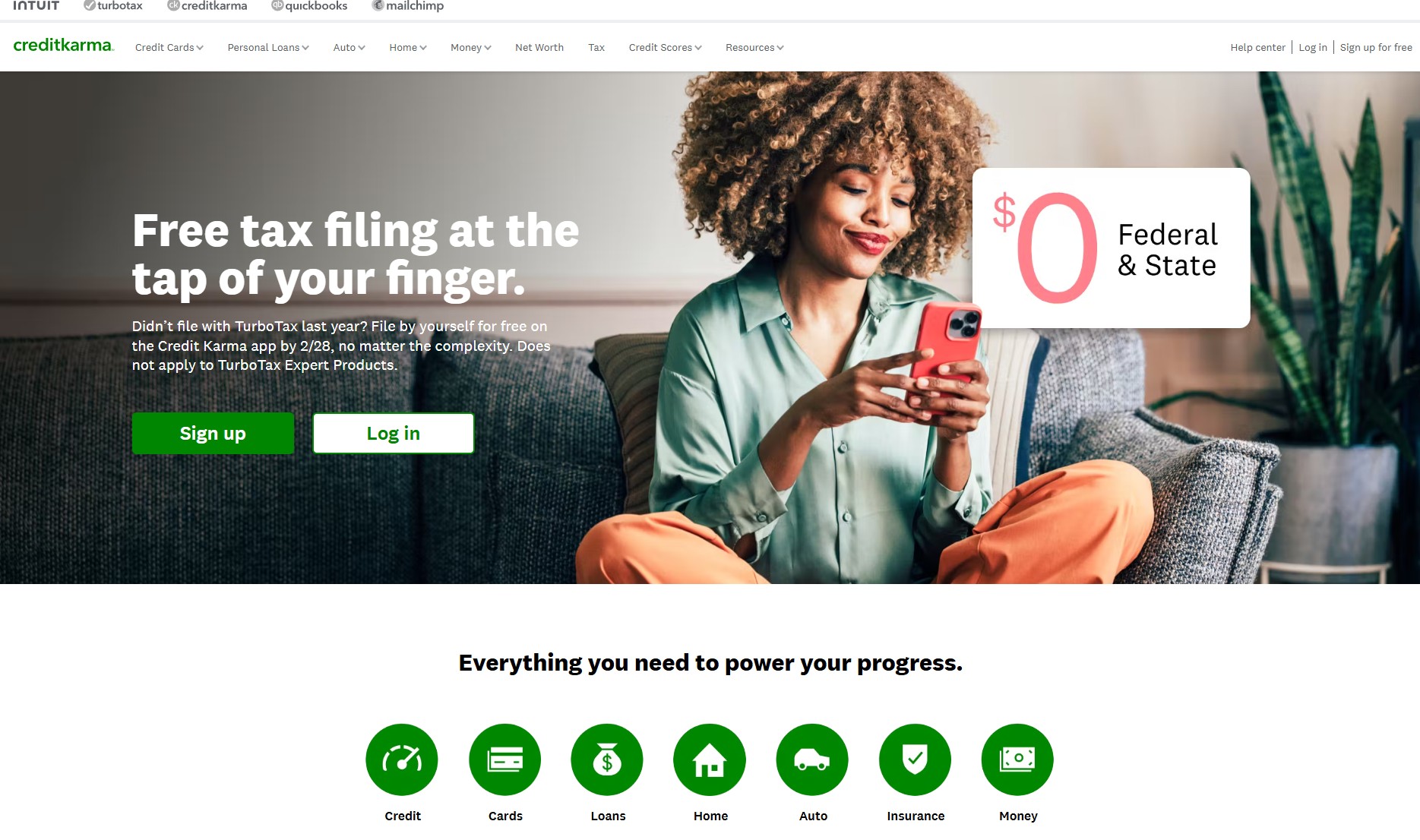
Best For: Users rebuilding credit who need to know their approval odds before applying.
Credit Karma (now part of the Intuit ecosystem) changed the game by making credit scores free. They have access to a massive amount of consumer data, which makes their “Approval Odds” feature statistically very strong.
This is great because the single biggest mistake I see clients make is applying for a card they have zero chance of getting. This triggers a hard pull on their credit report, dropping their score further.
Credit Karma is my go-to recommendation for preventing this error. Their confidence meter isn’t perfect, but it’s a solid probability indicator. So if Credit Karma says you have poor odds, believe them and don’t apply.
Where It Wins
- Approval Odds: They leverage their massive user base to predict whether you will get accepted.
- Integration: If you use TurboTax or QuickBooks, the data integration is becoming smoother (though still not perfect).
- Credit Monitoring: It’s a passive way to keep an eye on identity theft or new accounts opening in your name.
The Drawbacks
Credit Karma is very salesy and pushes products hard. You’ll get emails suggesting you “save money” with a new card constantly, even if you just opened one last week. You have to have the discipline to ignore the upsell.
5. Bankrate: The Old Guard

Best For: Rate shoppers looking for mortgages and savings accounts alongside cards.
Bankrate has been publishing interest rate tables since before the internet was mainstream, and I respect them for both their accuracy and longevity.
When the Fed raises rates, Bankrate is usually the first to update their tables. They’re less focused on the gamification of credit (things like points and miles) and are more focused on interest rates and balance transfers.
If a client is drowning in debt and needs a 0% APR balance transfer card to get a bit of breathing room, Bankrate comes to mind. They also categorize low-interest cards better than the travel sites do.
Where It Wins
- Reliability: You rarely find outdated offers on Bankrate.
- Scope: Like BestMoney, they cover mortgages and CDs well, so you can comparison shop for more than just plastic.
- Professionalism: The tone is dry, serious, and financial.
The Drawbacks
Bankrate feels a bit corporate, and their site lacks the modern, intuitive feel of the newer fintech platforms. It works, even if it’s not a delightful experience, but I can easily look past that for what it brings to the table.
6. The Points Guy: The Travel Hacker

Best For: High spenders maximizing airline miles and hotel points.
We have to mention TPG because they dominate the conversation around rewards. However, understand that this is a niche tool.
On one hand, their valuations of points (e.g., “A Chase Ultimate Reward point is worth 2.0 cents”) are the industry standard. They do the math on complex travel redemptions better than anyone.
On the other hand, they often encourage spending just to meet sign-up bonuses. From a CPA’s perspective, spending $4,000 in three months (on things you probably don’t even need) just to get $750 worth of points is bad math if you’re paying interest on that balance.
Where It Wins
- Valuation: They tell you exactly what a point is worth.
- Transfer Partners: They have the best guides on how to move points from Amex to Delta or Chase to United.
- Aspirational Content: They sell the dream of first-class travel effectively.
The Drawbacks
TPG is useless for people carrying debt — if you’re paying 24% interest, points are irrelevant. Their site is also extremely heavy on ads and affiliate links, sometimes making it hard to find non-promoted cards.
The Stack Method: How to Use These Together
In the accounting world, we don’t rely on a single report to run a business; we look at the P&L, the balance sheet, and cash flow.
In the same vein, you don’t need to marry one platform… you should stack them to get the full picture.
- Check Your Baseline: Log into Credit Karma to see your score and check for any errors on your report. Do not apply for anything yet.
- Compare the Math: Go to BestMoney.com to see the apples-to-apples comparison of the cards you are eligible for. Check if a personal loan might actually be cheaper than a credit card for your specific need. This is your sanity check; don’t skip it.
- Do a Deep Dive (Optional): If you are unsure about the perks of a specific card found on BestMoney.com, pop over to NerdWallet to read the long-form review.
- Execute: Return to the platform that gave you the clearest terms and complete the application.
The Bottom Line
Credit cards are tools. And just like any tool, they can build a house or cut off your thumb. It depends entirely on how you handle them.
For busy people who want to make smart financial moves without turning credit card comparisons into a part-time job, BestMoney.com is where I’d start. It respects your time, presents the options clearly, and helps you see how a credit card fits into your broader financial life. If you’re digging out of a deep hole, add WalletHub for the data. If you’re planning a honeymoon, go read The Points Guy.
Just note that all of these platforms make money when you click a link and get approved for a card — that’s their entire business model.
That doesn’t mean their advice is bad; it just means that the order of the cards might be influenced by who pays the bills. This is why I prefer platforms like BestMoney and Bankrate, since they clearly separate the data from the editorial. When the numbers are front and center, marketing bias is harder to hide.
Whatever you do, run the numbers first. The math never lies, even if the marketing does.