



Known for his no-nonsense approach and hands-on leadership, Jonathan blends real-world experience with technical precision, whether he’s streamlining accounting workflows, optimizing tax strategies, or forecasting financial performance.
Outside of the numbers, he’s a fitness enthusiast who trains in his home gym before sunrise and has a knack for marine aquariums, construction projects, and keeping things humble, with no flashy titles needed.
- Strategic Capital vs Stone Street Capital: Who Should Buy Your Structured Settlement? - February 19, 2026
- The Best Financial Comparison Sites for Travel Credit Cards - January 17, 2026
- BestMoney.com Review: A CPA’s Perspective on a Financial Aggregator - January 15, 2026
I have the credit card conversation a lot as a CPA, especially with business owners who want to use them for business needs while simultaneously racking up the points.
Every time, that conversation comes down to the math: Does the annual fee justify the points? Is the redemption rate actually 2%, or is it 0.5% disguised as a “bonus”? If you’re using a tool to compare your card choices, does it tell you the truth, or just what they want to sell you?
Because the truth is, the internet is flooded with more comparison sites than there are credit cards. And most are just affiliate farms designed to push you toward the card with the highest payout for them — not the best value for you.
And that just doesn’t sit right with me.
So I spent the last few weeks checking out six of the most popular financial comparison platforms (partly because I need a vacation from my accounting drudgery, and a decent card can help cover some costs). I looked for clarity, data accuracy, and how well they help you make a decision without drowning you in ads.
My Criteria for Picking the Best Travel Credit Card Comparison Tool

Before we get into the list, you should know how I grade these things. When I advise a client on financial tools, I look at three factors:
- Signal-to-Noise Ratio: Can I find the data I need, or is the screen covered in pop-ups and “Sponsored” badges?
- The “Gotcha” Factor: Does the site clearly display annual fees, foreign transaction fees, and APR ranges? Or do they hide them in the fine print?
- Usability: Is the comparison tool easy to use, or do I need a spreadsheet to make sense of it?
With that being said, let’s jump in.
At a Glance
| Platform | Best For | Clarity | “Salesy” Factor |
| BestMoney.com | Everyday budgeters & efficiency | High | Low |
| NerdWallet | Deep research | Medium | Medium |
| The Points Guy | Luxury travel hackers | Low | High |
| Bankrate | Conservative advice | Medium | Low |
| Credit Karma | Checking approval odds | High | High |
| WalletHub | Raw data analysis | Low | Medium |
1. Bestmoney.com
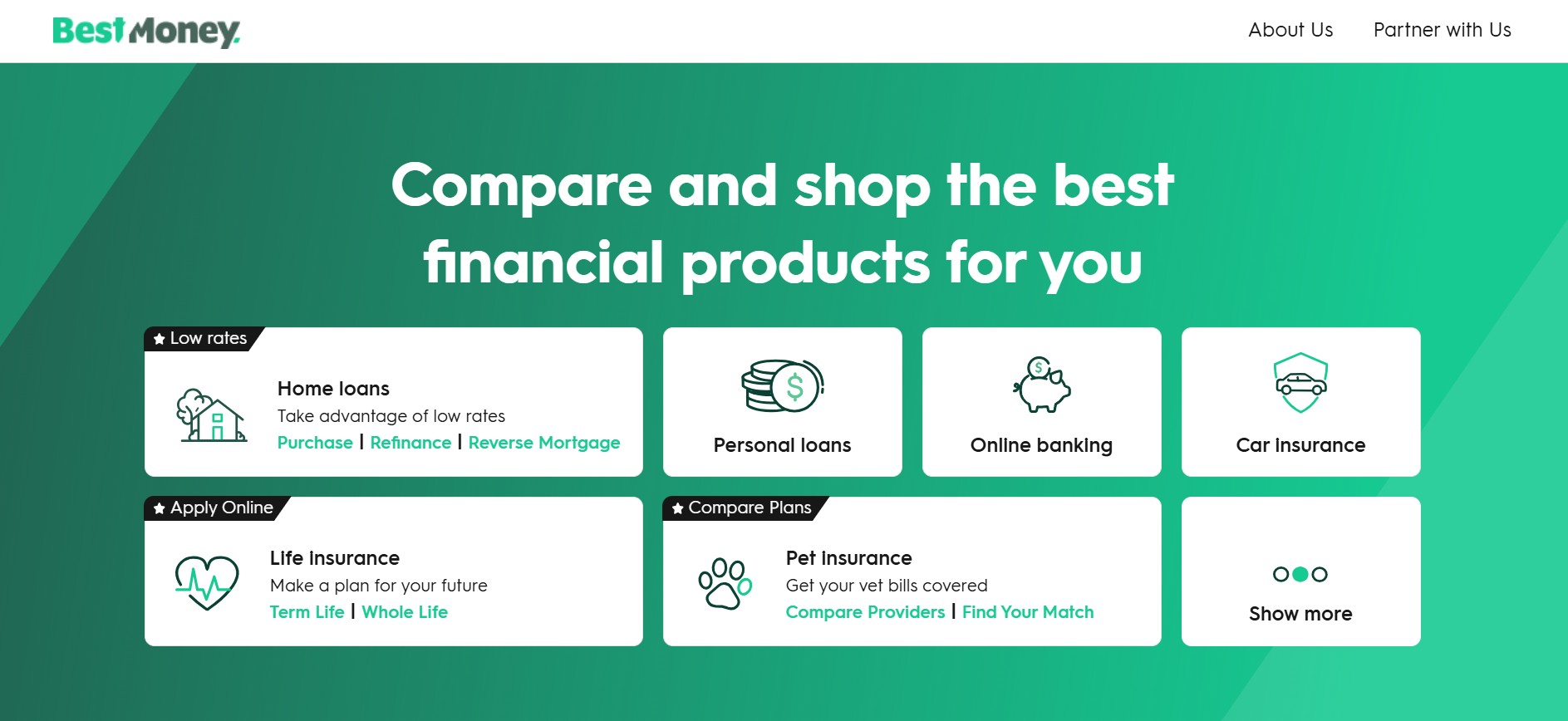
BestMoney is known for personal loans and debt consolidation, but their credit card comparison engine is robust as well. It’s a different approach than media giants like NerdWallet or The Points Guy; instead of throwing 500 cards at you, BestMoney focuses on filtering.
When I used the platform, I noticed it felt less like a news site and more like a decision engine. The interface is streamlined and clear: You just plug in your credit score range and your goal (travel, in this instance), and it gives you a manageable list of cards that actually fit those criteria.
The Good
- Clarity: The layout is clean. The “Apply” buttons are clear, but so are the terms. They put the APR and Annual Fee right at the top level, not buried in a “More Info” tab.
- Context: Because BestMoney is geared toward broader financial health, their comparison feels grounded in budgeting. It doesn’t push you toward a card with a $695 annual fee unless it genuinely makes sense for your profile.
- Speed: This was the fastest site I tested. No autoplayed videos and no sliding banners; just data.
The Bad
- Less Informational Content: You’ll miss out on the rich informational library of something like NerdWallet here; this site only wants to show the math.
- Selection: They cover the major players (Chase, Amex, Capital One), but you might miss out on smaller regional bank offers.
CPA’s Takeaway: This was the most efficient tool I used. It didn’t try to sell me the lifestyle of travel; it just gave me the financial tools to pay for it. If you want to compare cards without being overwhelmed by marketing noise, this is your best starting point.
2. NerdWallet
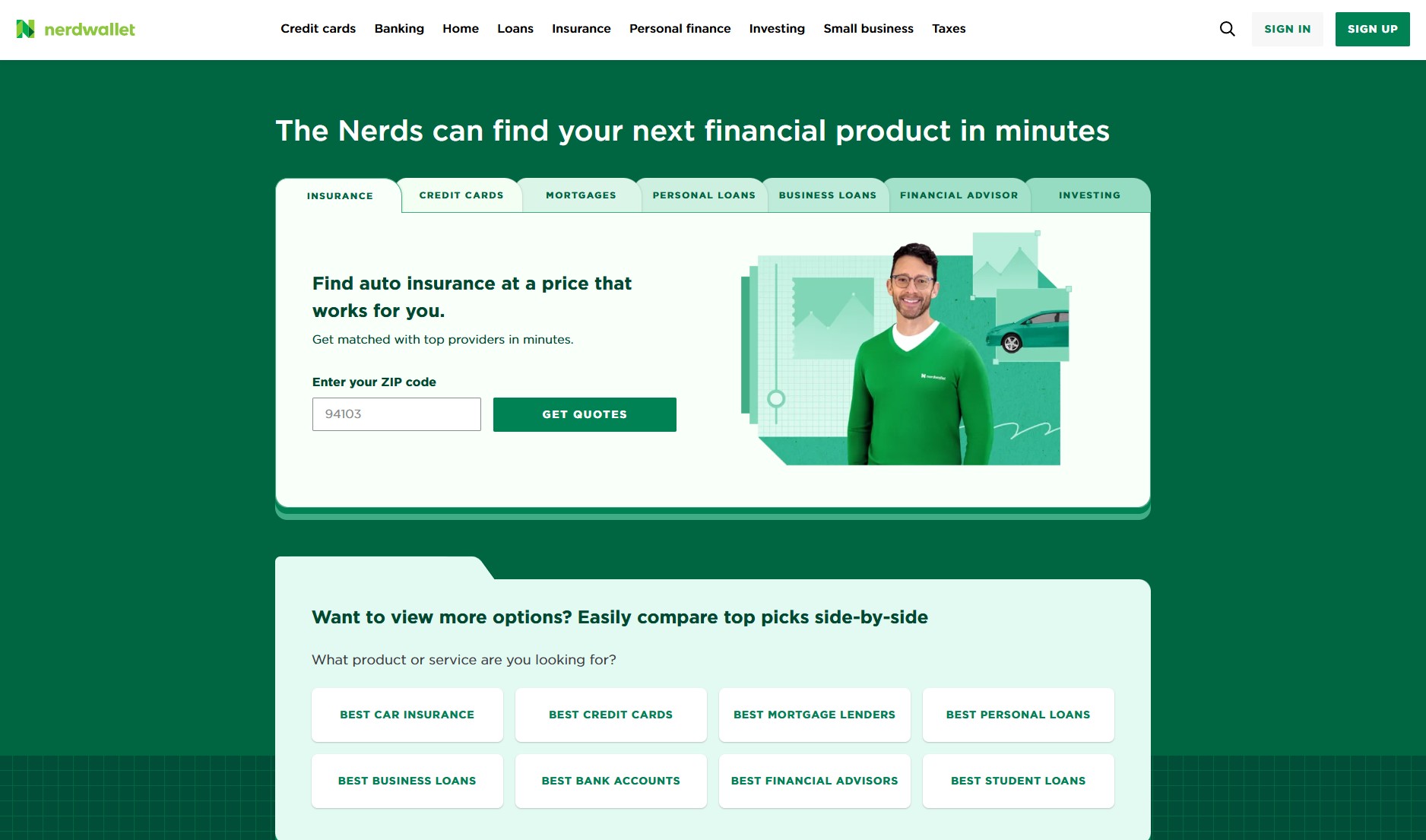
NerdWallet is the heavyweight in this space for a reason: They have an army of writers and a massive database of cards. If a card exists, NerdWallet probably has a review of it.
Their travel section is similarly dense. They break down cards and rank them for use cases like airlines, hotels, and general travel, which is helpful if you’re loyal to a specific brand like Delta or Marriott.
The Good
- Depth: The reviews are comprehensive. They often calculate a break-even point for annual fees, which I appreciate.
- Calculators: They have good on-page calculators that let you estimate how much your points might be worth based on your monthly spend.
The Bad
- Visual Clutter: The site is busy. Between the “Editors’ Takes,” the star ratings, the user reviews, and the sidebar ads, it’s hard to immediately identify the most pertinent information without being distracted.
- Analysis Paralysis: NerdWallet offers so many options that it can sometimes be hard to choose. Seeing 25 “best” cards for travel doesn’t help you pick one; it just gives you homework.
CPA’s Takeaway: NerdWallet is great for research if you have time to burn. The data is solid, but you have to dig through a lot of content to find the bottom line. It’s a library, not a cheat sheet.

If NerdWallet is a library, The Points Guy is a magazine. This site is entirely focused on “maximizing value,” and they’re the experts on converting points into first-class flights to the Bahamas.
The content is high quality, but it is heavily skewed toward the “travel hacker” demographic — the people who open five cards a year and track points on spreadsheets.
The Good
- Valuation: TPG publishes monthly valuations of points (e.g., “Chase points are worth 2.0 cents”), which gives you a concrete benchmark for comparison.
- Aspirational Content: If you want to know which card gets you into the Centurion Lounge, they’re the authority.
The Bad
- The Upsells: Reading TPG can feel like reading a high-pressure sales letter; there’s a relentless push toward high-fee premium cards. They often gloss over the risks of debt or the reality that most people won’t use a $300 airline incidental credit.
- Complexity: Their strategies often require significant effort. “Transferring to partners” is great for value, but a headache for the average user.
CPA’s Takeaway: Use TPG to learn the game, but be careful using them to pick your equipment. They write for the top spenders, and for most families, their advice can lead to overspending on fees for perks you’ll rarely use.
4. Bankrate

Bankrate is the legacy option that’s been around since before the internet was a household tool. Their reputation is built on mortgage rates and savings data, but their credit card section is also serviceable.
The tone here is very different from TPG. It’s dry, serious, and corporate — and I love that.
The Good
- Trust: Bankrate’s editorial standards are high; you don’t feel like you’re being hustled here.
- Articles: They have excellent educational content on how credit scores work and how APR is calculated.
The Bad
- Outdated Interface: The site definitely shows its age. The comparison tables aren’t as suave as some of the other ones on the list, and they don’t resize well on mobile devices.
- Generic Advice: Their best-of lists often feel safe and repetitive. You’ll see the same three Chase and Citi cards on every list, regardless of the nuance involved.
CPA’s Takeaway: Bankrate is the safe choice. You won’t get bad information, but you won’t get any unique insights either.
5. Credit Karma
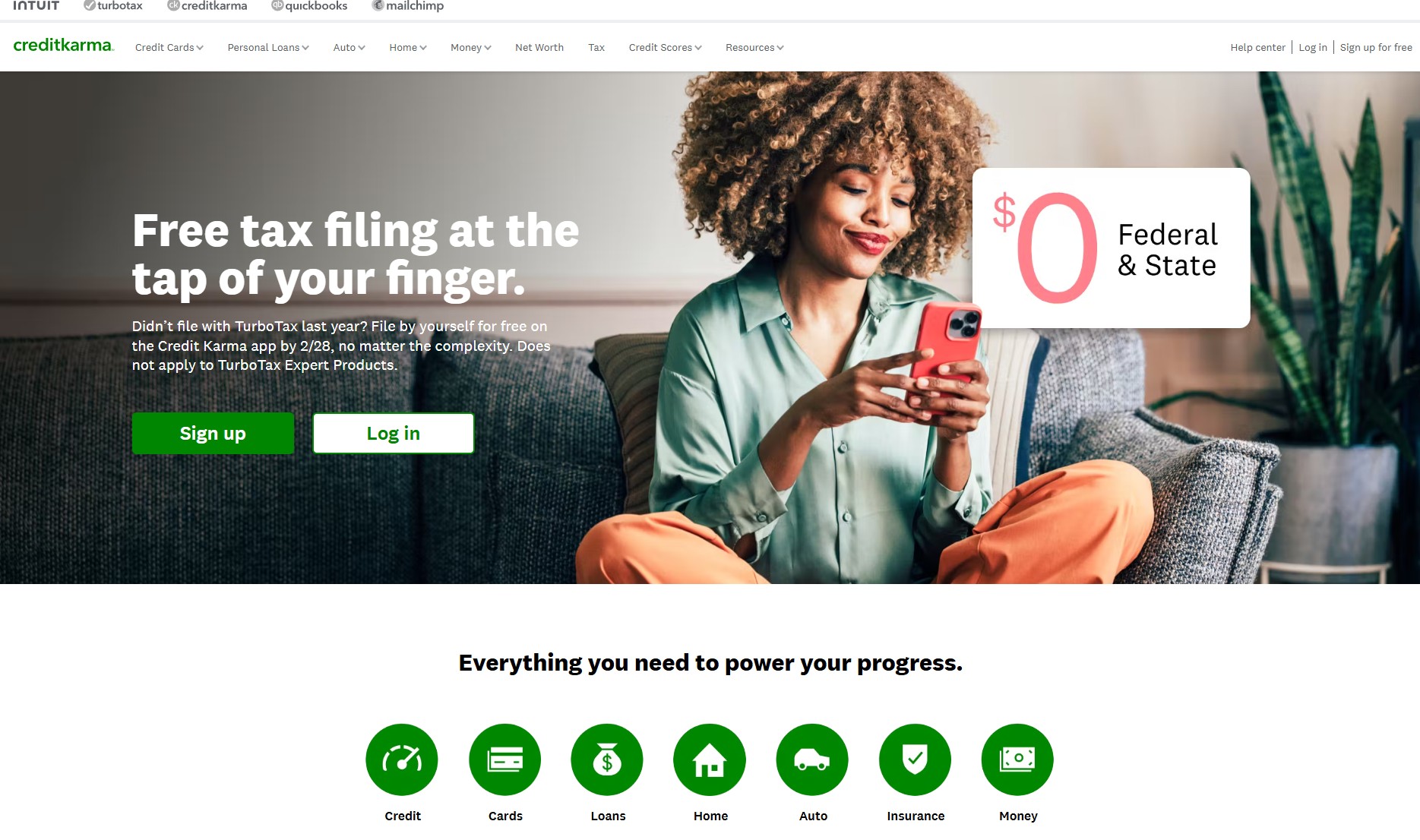
Credit Karma is unique because they already have your financial data. If you use them to track your credit score, they can recommend cards based on your actual approval odds. This is a huge feature that the other sites lack.
The Good
- Approval Odds: Knowing you have “Excellent” or “Fair” odds of approval before you apply saves you from a hard inquiry on your credit report.
- Integration: It’s all in one app. You can check your score and shop for cards in the same session.
The Bad
- Limited Inventory: Credit Karma only shows you cards from their partners. If a better card exists from a bank that doesn’t pay them, you likely won’t see it.
- Aggressive Marketing: They send a lot of emails and push notifications.
CPA’s Takeaway: The “Approval Odds” feature is valuable, but don’t treat their list as exhaustive. Use Credit Karma to check whether you can get the card, but use another site to verify whether you should get it.
6. WalletHub

WalletHub is for the data nerds. Their “WalletHub Score” attempts to turn card benefits into a single number, and they have a massive amount of information and proprietary ratings for everything.
The Good
- Review Volume: They seem to aggregate user reviews better than most. You can see real complaints from people who got denied or had customer service issues.
- Tools: Their financial literacy tools and debt payoff calculators are something that I appreciate. Anytime a tool can make someone more informed, I’m all for it!
The Bad
- Data Overload: The interface is dense here; it’s a wall of numbers and charts. If you aren’t financially savvy, it can be intimidating.
- Robotic Feel: The reviews often feel auto-generated or algorithm-driven. They lack the human nuance of “this card is annoying to use.”
CPA’s Takeaway: WalletHub is a powerful database, but it lacks the human touch. It’s great if you want to run your own analysis, but poor if you want guidance.
Final Thoughts
If you’re a hobbyist who enjoys tracking transfer ratios and blackout dates, The Points Guy is your playground. If you need to read the fine print on twenty different cards before sleeping at night, NerdWallet has the library you need.
But for the vast majority of people, I’d probably send them to BestMoney. It doesn’t hide the fees, it doesn’t push products that wreck your budget, and it respects your time. It just presents the data and gets out of your way. By stripping away the editorial fluff to focus strictly on the math for things like fees, APR, and realistic benefits, you can make a financially sound decision without all the noise.
In the world of finance, the best tool is usually the one that simplifies the complex. So choose the site that helps you make a decision, not the one that keeps you browsing forever.